Transform your garden into a captivating nighttime oasis with the art of outdoor lighting design. Discover how strategic landscape lighting can enhance your home’s beauty, create inviting outdoor living spaces, and ensure safety and security after sunset. Let’s explore the possibilities of illuminating your landscape at night.
Why Outdoor Lighting Matters in Landscape Design
The Transformative Power of Lighting
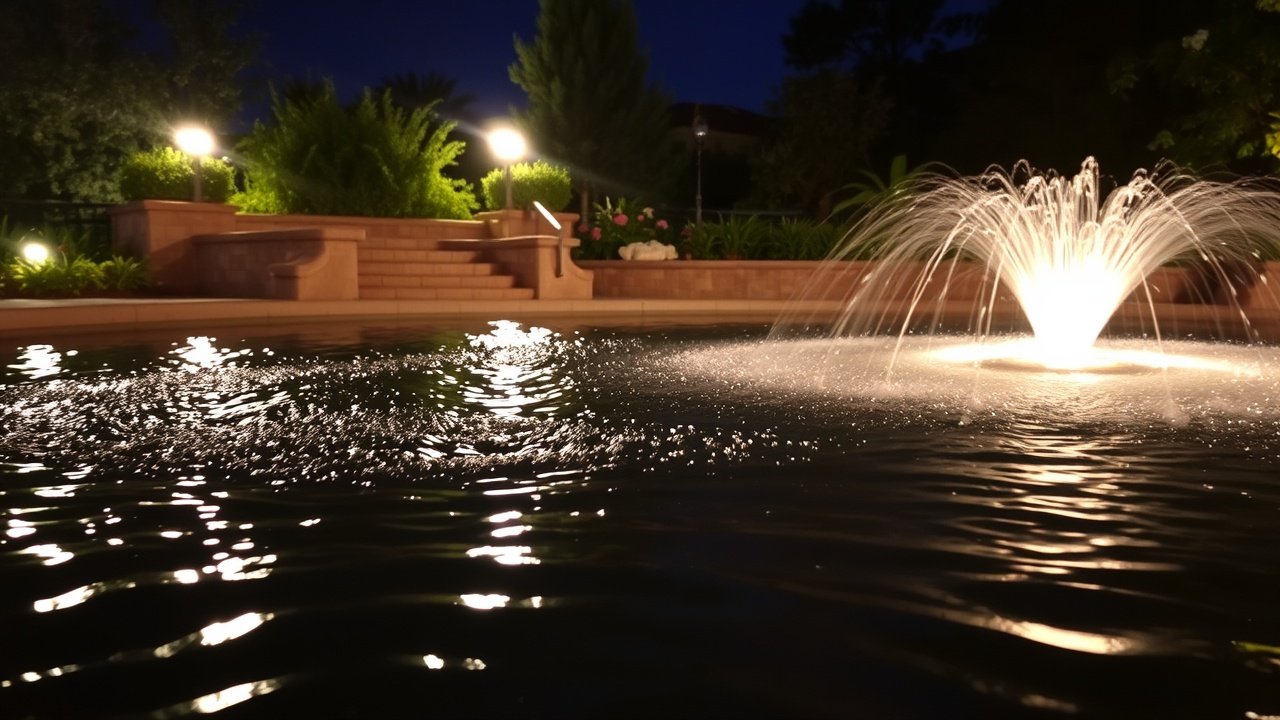
Outdoor lighting design transcends mere illumination; it’s about transforming the mood and depth of your outdoor space. Thoughtful landscape lighting can dramatically alter how you perceive your garden, turning familiar landscape elements into captivating focal points once the sun sets. Right lighting creates a magical ambiance that extends your enjoyment of your outdoor living areas.
Benefits of Effective Outdoor Lighting
Effective outdoor lighting offers a multitude of benefits. It enhances safety and elevates the nighttime beauty of your landscape. The specific advantages can be summarized as follows:
| Benefit Category | Specific Advantages |
|---|---|
| Safety | Illuminating pathways and walkways, preventing accidents, deterring unwanted visitors. |
| Visibility & Aesthetics | Improving visibility for easy navigation, showcasing garden’s best features. |
Quote from Destiny Landscape
“Lighting isn’t just about brightness — it’s about bringing life and emotion to your garden after sunset,” shares Destiny Landscape. This philosophy emphasizes that the art of landscape lighting goes beyond mere functionality, seeking to create an emotional connection with your outdoor space through carefully chosen lighting effects.
Understand the Layers of Outdoor Lighting
Ambient Lighting — Setting the Mood
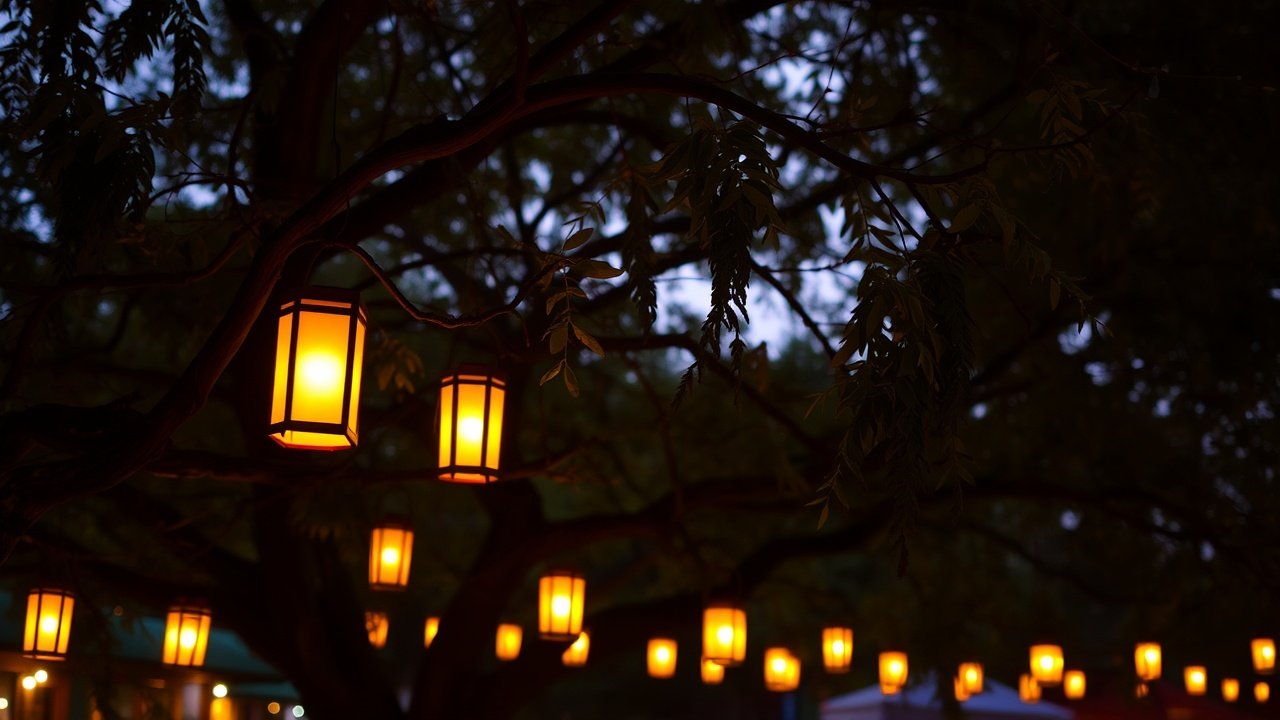
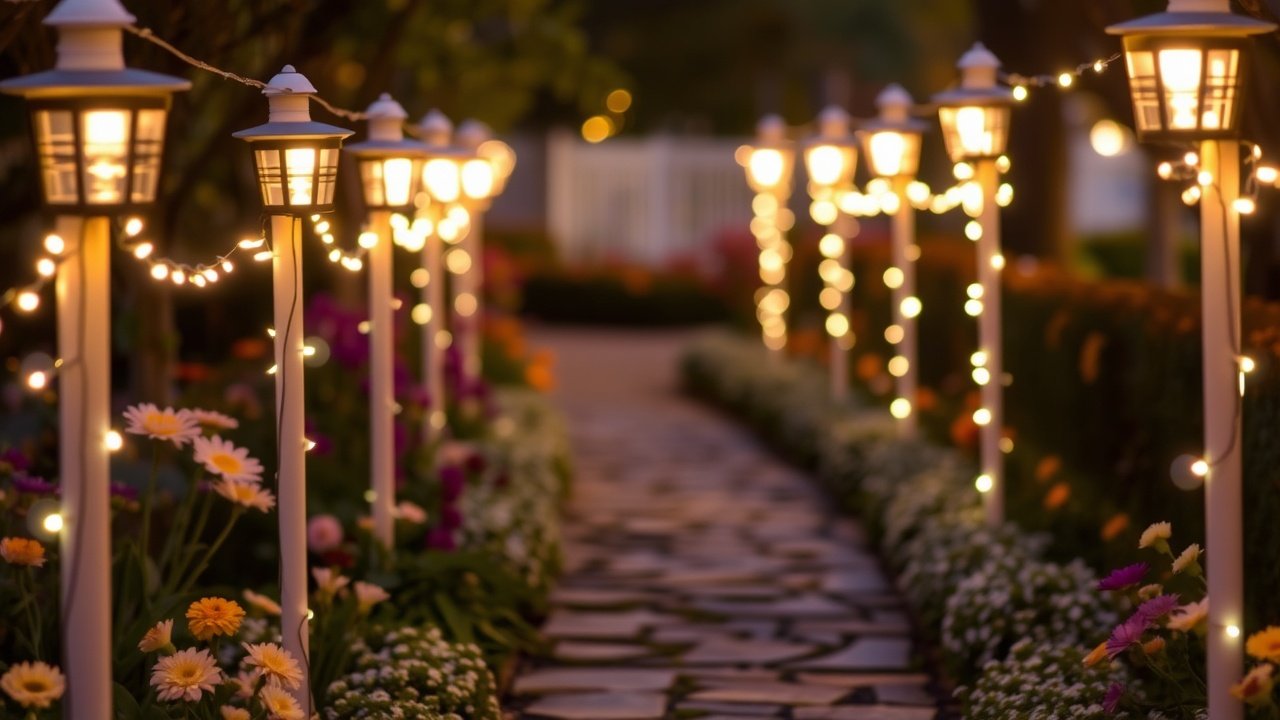
Ambient lighting, the foundation of any good outdoor lighting plan, provides a soft, overall glow to your outdoor space. Consider using wall sconces, string lights, or lanterns to create a warm and inviting atmosphere. This type of lighting gently illuminates the landscape, creating a comfortable and relaxing environment for outdoor living.
Task Lighting — Enhancing Safety and Functionality
Task lighting is essential for safety and functionality. Strategically placed light fixtures can illuminate key areas, enhancing both safety and usability. Here’s a breakdown of common task lighting applications:
| Location | Benefits |
|---|---|
| Pathways and Steps | Ensures safe navigation and prevents accidents. |
| Entrances, Outdoor Kitchens, Seating Areas | Illuminates key areas for functionality and safety. |
Accent Lighting — Drawing Attention to Landscape Features
Accent lighting enhances your landscape by emphasizing its best features and generating visual interest. This is achieved through various techniques, including:
| Technique | Purpose |
|---|---|
| Spotlights or directional light fixtures | Highlight trees, sculptures, water features, or architectural elements |
This approach draws attention and enriches your outdoor space with depth and drama, encouraging you to showcase your yard’s unique characteristics.
Choose the Right Lighting Fixtures
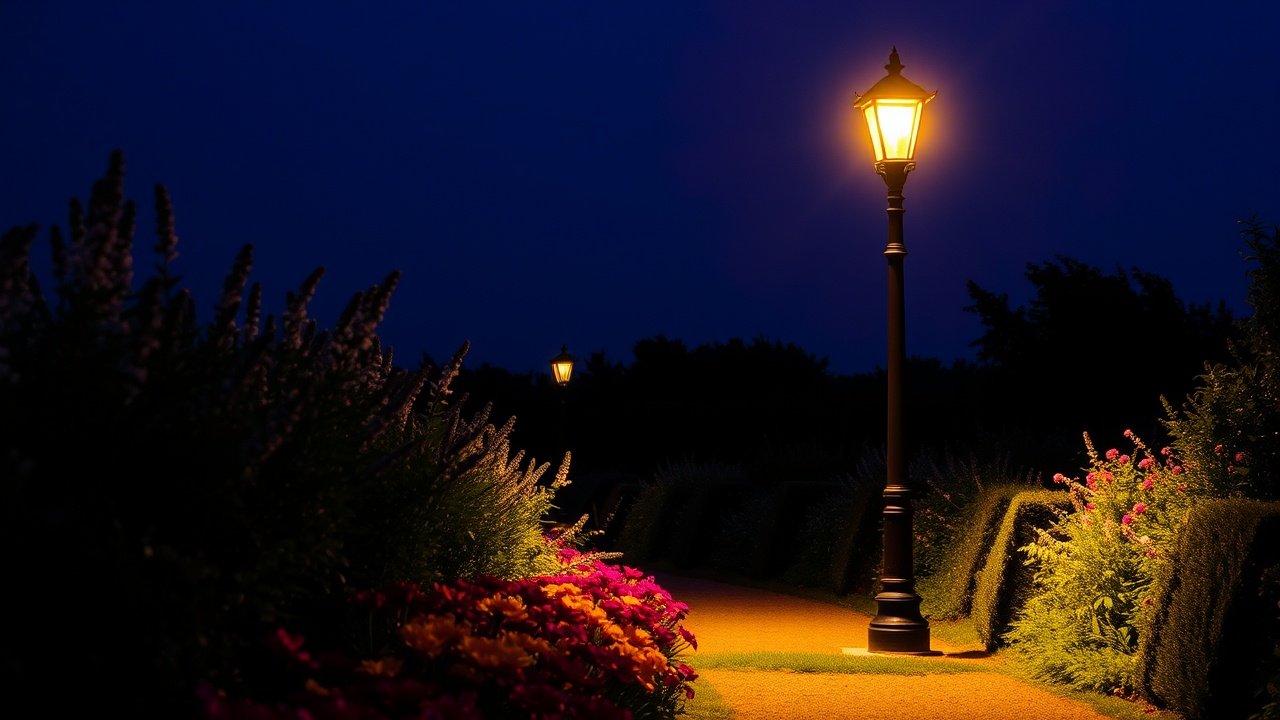
Comparing LED, Solar, and Low-Voltage Lights
When selecting light fixtures, consider the pros and cons of LED, solar, and low-voltage options. LED lights offer energy efficiency and a long lifespan, while solar lights are easy to install and require no wiring. Low-voltage lights provide a balance of brightness and energy efficiency. The right lighting system depends on your specific needs and preferences.
Choosing Fixture Styles that Complement Your Landscape Theme
The style of your light fixtures should complement your overall landscape theme. Modern stainless steel fixtures are ideal for minimalist yards, while warm bronze finishes suit rustic gardens. Select fixtures that enhance the aesthetic appeal of your landscape and seamlessly integrate with your existing design. Thoughtful selection creates a cohesive and visually appealing outdoor space.
Techniques to Create Depth and Drama
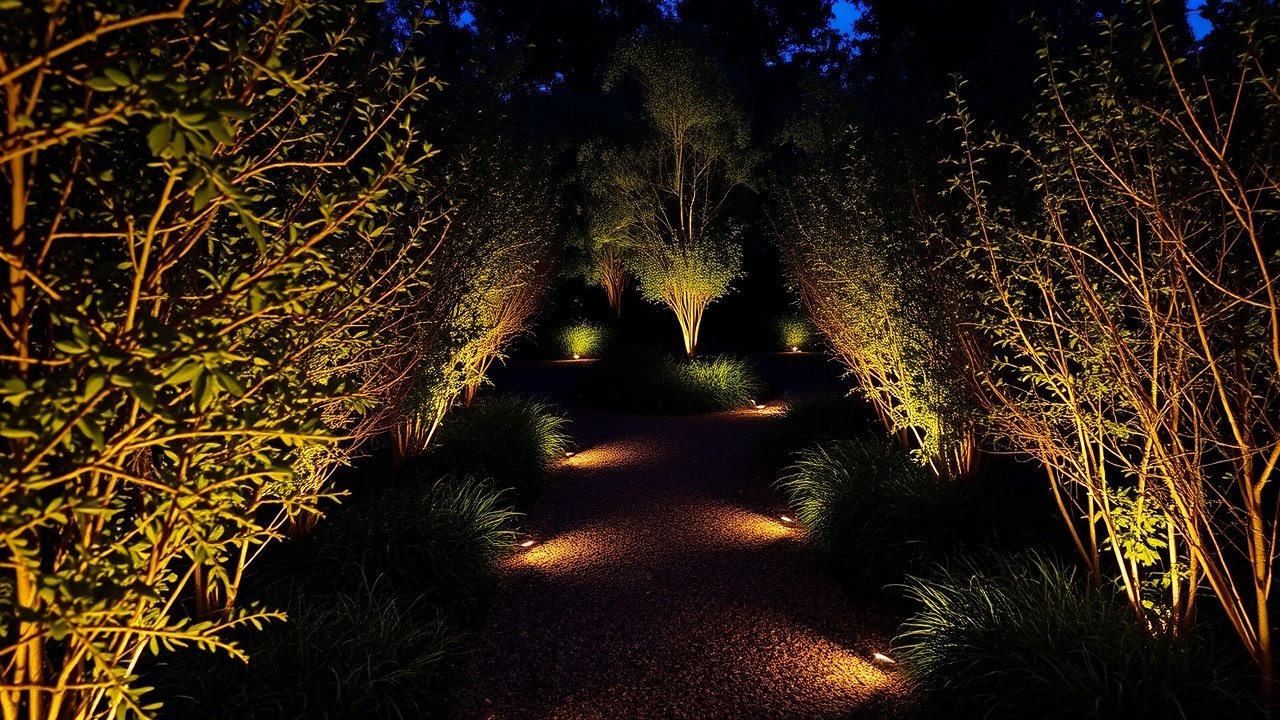
Uplighting and Downlighting for Visual Impact
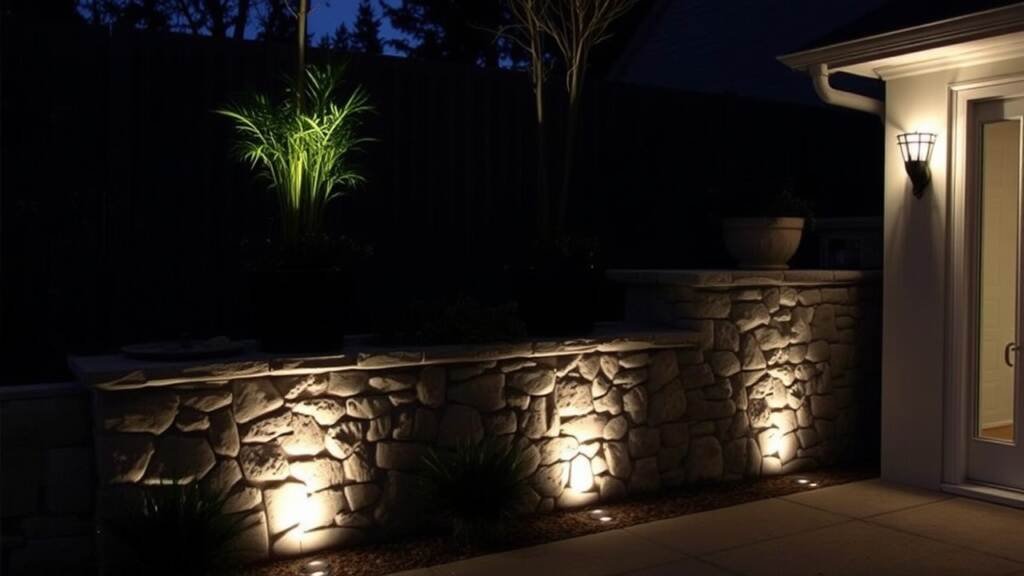
Uplighting and downlighting are powerful landscape lighting techniques for creating visual impact. Uplighting can dramatically highlight trees, architectural details, or walls, adding height and grandeur to the landscape. Downlighting mimics moonlight, casting a soft, natural glow that can illuminate pathways or create a sense of intimacy.
Utilizing Silhouetting and Shadowing
Silhouetting and shadowing are artistic lighting techniques that add depth and intrigue to your landscape lighting design. Silhouetting involves placing a light source behind an object to create a dramatic outline. Shadowing, where light is used to cast shadows, adds texture and dimension.
Grazing and Washing Techniques for Texture
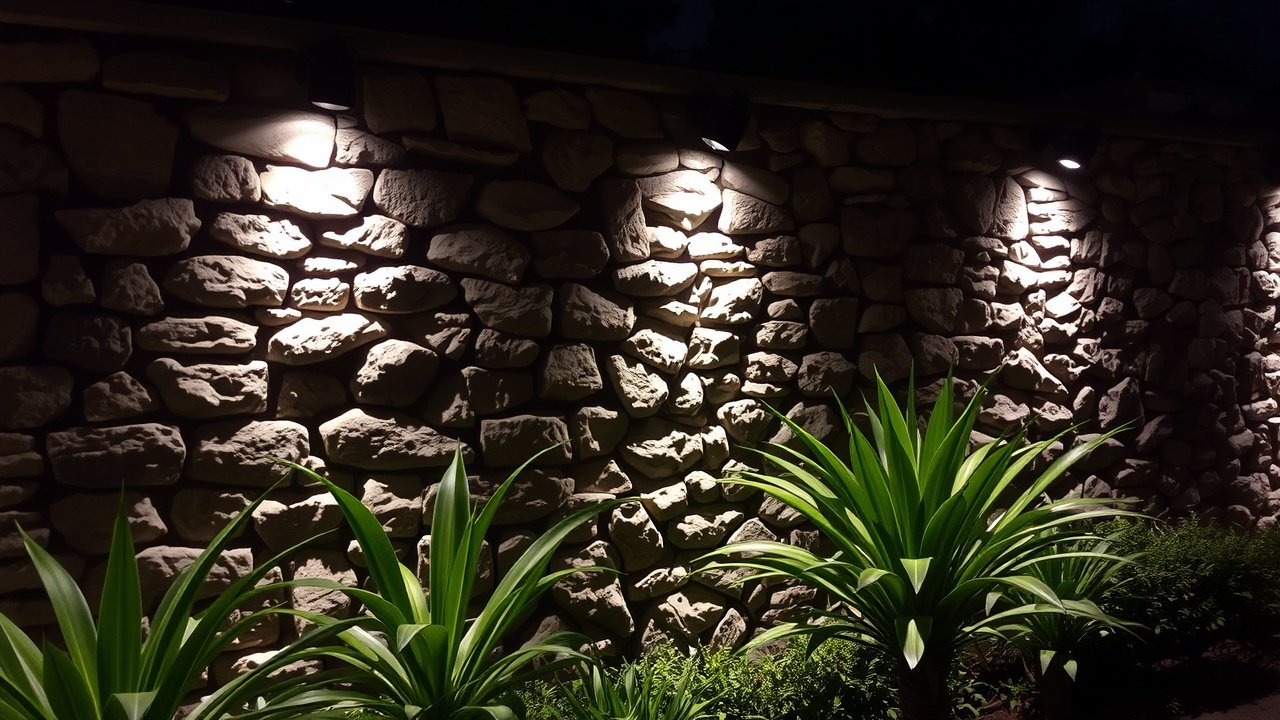
Grazing and washing are landscape lighting techniques ideal for showcasing the texture of walls, fences, or stone surfaces. Grazing involves placing light fixtures close to a surface and aiming the light at a sharp angle to accentuate its irregularities. Washing uses a broader beam of light to evenly illuminate a surface.
Designing for Function and Aesthetics
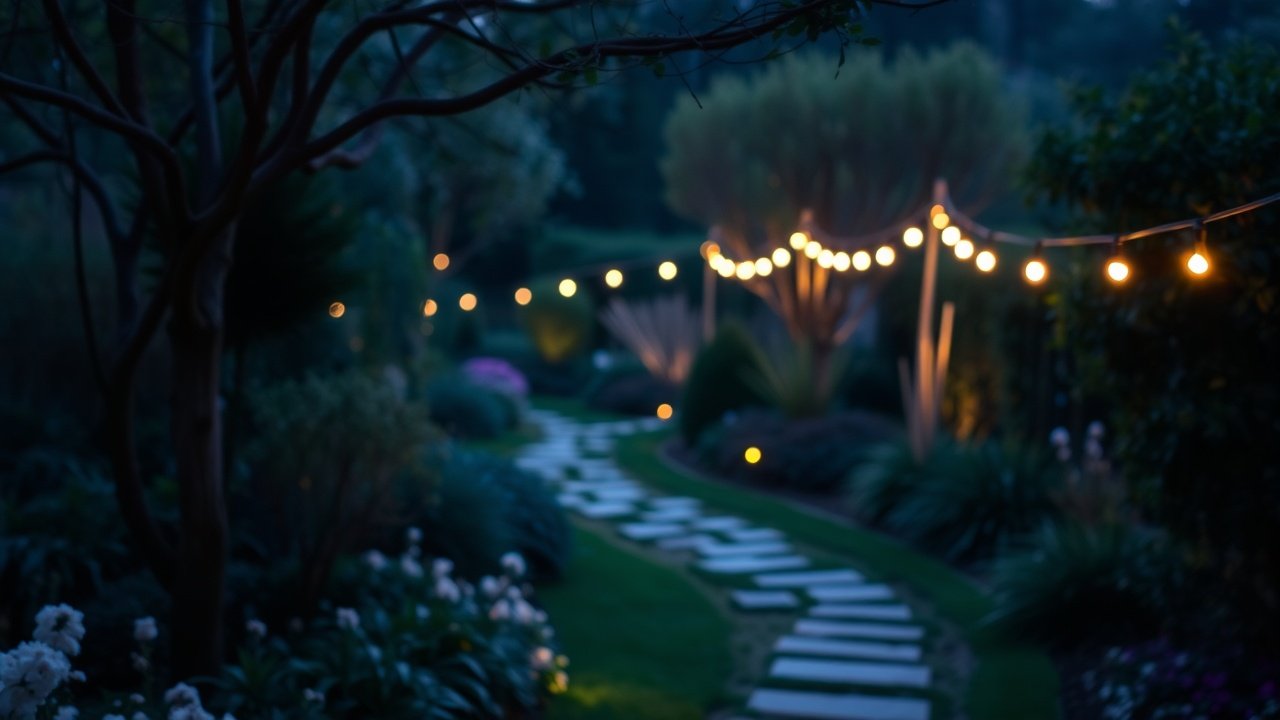
Achieving a Balance Between Brightness and Subtlety
In landscape lighting design, achieving a balance between brightness and subtlety is crucial. Over-lighting can create harsh glare and diminish the beauty of your landscape, while under-lighting can compromise safety and visibility. The goal is to create a soft, inviting ambiance with subtle contrasts that highlight key landscape features without overwhelming the outdoor space.
Planning for Movement and Visual Flow
Thoughtful planning for movement and visual flow is essential in landscape lighting. Use lighting to guide the eye and direct foot traffic naturally throughout your outdoor space. Strategic placement of path lighting can lead guests through your garden, while accent lighting can highlight interesting focal points along the way. Consider how lighting can make your landscape feel more inviting and navigable.
Blending Hardscape and Softscape Lighting Seamlessly
To create a cohesive and harmonious landscape lighting design, seamlessly blend hardscape and softscape lighting. Combine path lighting along walkways with uplighting on trees and accent lighting on architectural features to create a layered effect. Ensure that the style of your light fixtures complements both the hardscape and softscape elements of your landscape, creating a unified and visually appealing outdoor space.
Sustainable and Smart Lighting Options
Energy-Efficient Lighting Choices
Embrace energy-efficient lighting choices to reduce your environmental impact and lower your energy costs. LED lights are an excellent option due to their long lifespan and low energy consumption. Solar-powered lighting systems are also a sustainable choice. By selecting energy-efficient light fixtures, you can enjoy beautiful outdoor lighting without sacrificing sustainability.
Utilizing Smart Controls and Timers
Smart controls and timers offer convenient and energy-saving solutions for your landscape lighting system. Automate lighting schedules to turn lights on and off at specific times, or use motion sensors to activate lights only when needed. Smart lighting systems can also adjust brightness based on ambient light levels, further optimizing energy efficiency. These features enhance convenience and reduce energy waste in your outdoor space.
Eco-Friendly Placement Strategies
Consider eco-friendly placement strategies to minimize light pollution and protect local wildlife. Aim light fixtures downward to reduce glare and prevent light from spilling into neighboring properties or the night sky. Use shielded fixtures to direct light where it’s needed, and avoid over-lighting your landscape. By implementing these practices, you can create a beautiful and sustainable outdoor lighting design that respects the environment.
Destiny Landscape’s Pro Tips for Nighttime Landscape Design
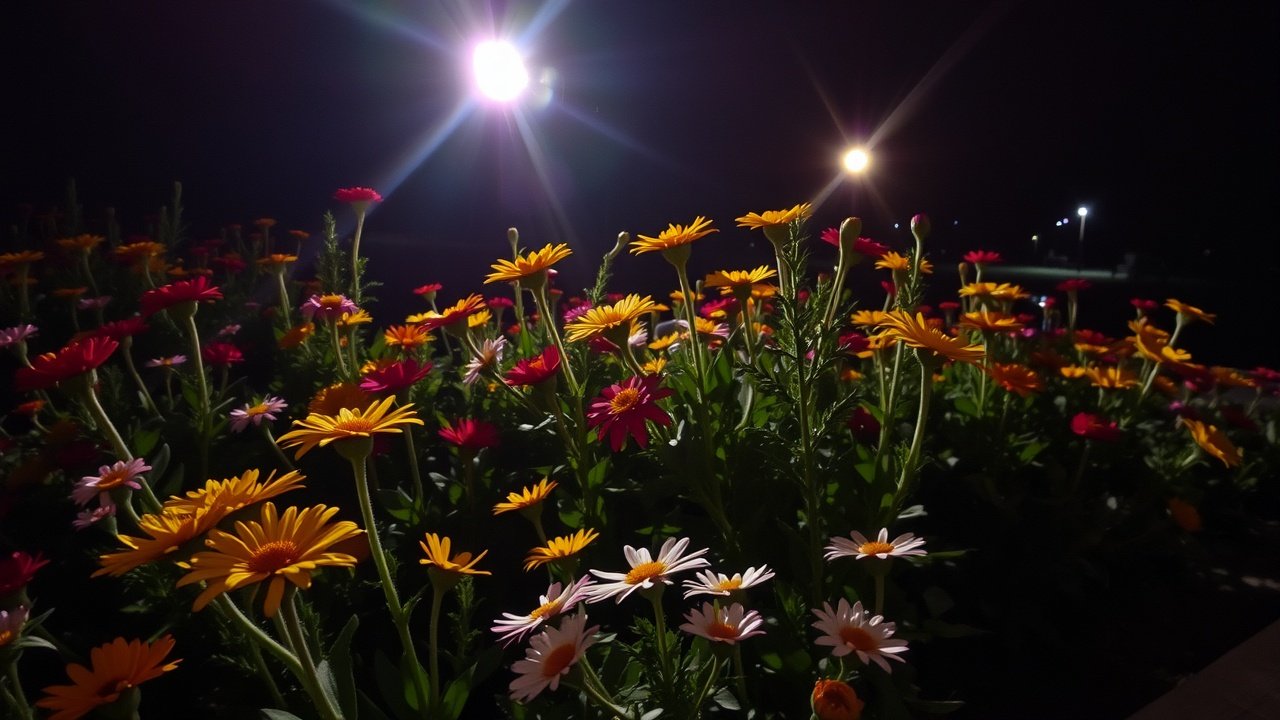
Highlight Key Features Without Overdoing It
Using Warm and Cool Tones for Emotional Effect
Creating Contrast for Depth and Layering
contrast effectively.
Common Outdoor Lighting Mistakes to Avoid
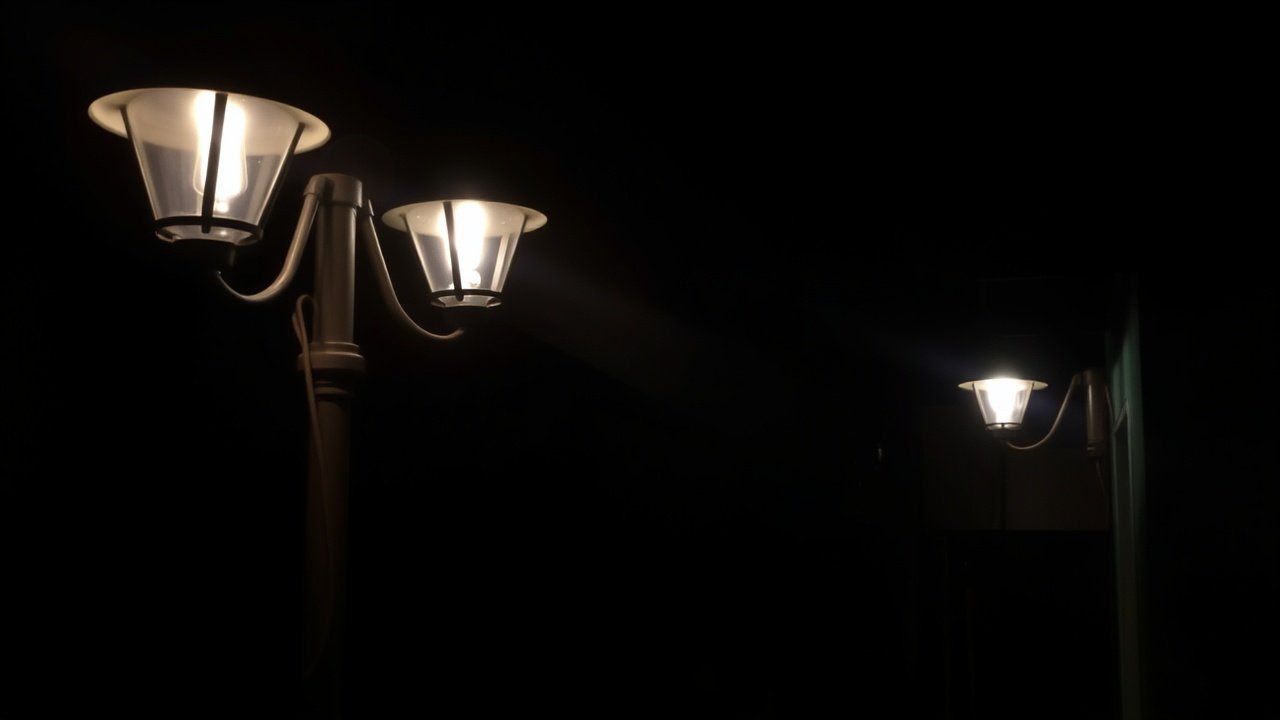
Over-Lighting and Harsh Spotlights
One of the most common mistakes in landscape lighting is over-illumination. Using too many light fixtures or harsh spotlights can create an unnatural and unwelcoming atmosphere. Opt for softer, more diffused light sources. Harsh spotlights can flatten the visual interest in your outdoor space.
Poor Fixture Placement and Glaring Issues
Neglecting Maintenance and Sustainability
Bringing It All Together — Your Garden After Dark
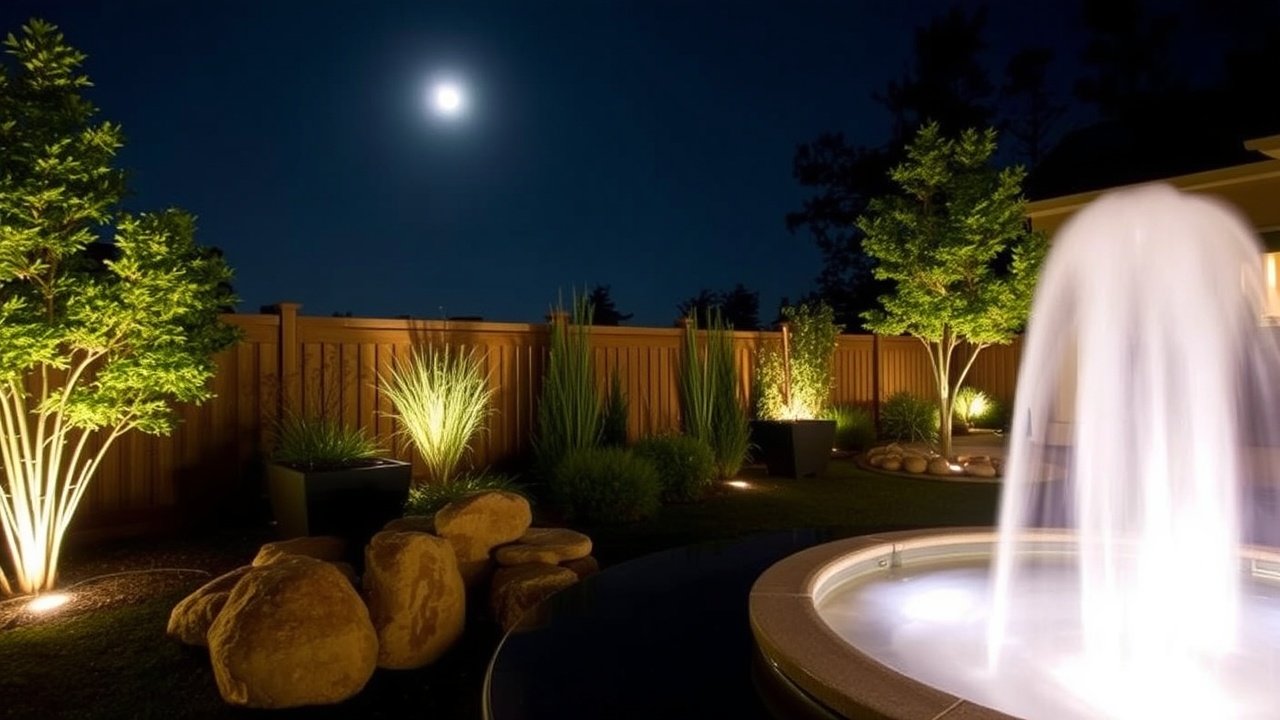
The Emotional Impact of Well-Placed Lighting
Well-placed landscape lighting has the power to transform your garden into an enchanting nighttime retreat. The art of landscape lighting resides in its ability to evoke emotion and create ambiance.
Before and After: A Nighttime Transformation Example
Imagine a garden shrouded in darkness, its beauty hidden after sunset. With strategic landscape lighting, this same garden can be transformed into a captivating nighttime oasis. Soft ambient lighting creates a warm and inviting atmosphere, while accent lighting highlights its best features. The transformation is remarkable, revealing a new dimension of beauty and charm.
- Affordable Landscaping Services in Olympia, WA
- Eco-Industrial Park Initiatives in the USA and the Netherlands
- How retaining walls enhance outdoor space design and functionality in las vegas
- Lawn Care Service List: Landscape & Lawn Maintenance Options
- Lawn & Landscape Irrigation System Service by Irrigation Specialists