Maintaining a vibrant, green lawn and garden during the scorching dry season can feel like an uphill battle. However, with the right knowledge and strategies, you can keep your garden thriving even in the face of drought. This article offers 5 expert tips to ensure your outdoor space remains a lush, inviting oasis throughout the year. These easy tips will help you navigate the challenges of dry weather and keep your lawn looking its best.
Why Gardens Struggle During Dry Seasons

Impact of Heat and Low Humidity on Lawns
During the dry season, intense heat and low humidity levels significantly impact lawns. High temperatures cause increased evaporation from the soil and plant leaves, leading to dehydration and stress on the lawn. Low humidity exacerbates this effect, as drier air pulls moisture away from plants more rapidly. This combination makes it difficult for grass to absorb and retain the water and nutrients it needs to thrive, resulting in a dry, brittle, and unhealthy lawn despite your best efforts to maintain a healthy lawn.
Regions in the U.S. Affected by Drought
Several regions in the U.S. are particularly vulnerable to prolonged dry season conditions. States like California, Arizona, and Texas frequently experience severe drought, with stringent water restrictions imposed to conserve resources. Even regions in the Southeast and Midwest can face periods of extended dryness, making it crucial for homeowners nationwide to adopt strategies for water conservation and drought-resistant landscaping. Staying proactive with lawn care is the first step.
Destiny Landscape’s Philosophy on Sustainability
At Destiny Landscape, we believe that sustainability starts with smart design and mindful care. Our philosophy centers on creating landscapes that not only enhance the beauty of your home but also respect and preserve the environment. We prioritize using drought-resistant plants, implementing efficient irrigation systems, and promoting soil health to minimize water usage. Our goal is to help you achieve a green lawn and a thriving garden while reducing your environmental footprint.
Tip 1 — Choose Drought-Resistant Plants

Native Plants That Thrive in Dry Conditions
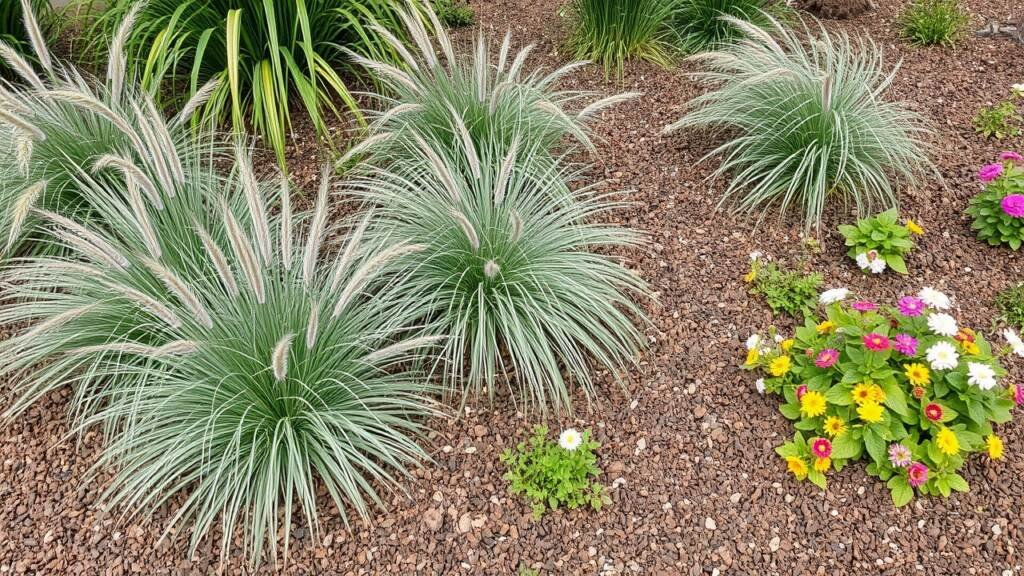
One of the most effective tips to help you keep your garden green during the dry season is to select drought-resistant plants. Native plants are particularly well-suited to this purpose, as they have evolved to thrive in the local climate with minimal water. You might consider incorporating plants such as:
- lavender, known for its fragrant blooms and low water requirements
- succulents like agave that store water in their leaves
- rosemary, a hardy herb that tolerates dry conditions
- ornamental grasses that add texture and movement to your landscape
Benefits of Native Landscaping
Choosing native plants for your landscaping offers numerous advantages. Not only do these plants require less water, but they also demand less maintenance overall. Native plants are naturally more resistant to local pest and diseases, reducing the need for chemical treatments. Additionally, native landscaping promotes biodiversity by providing habitat and food sources for native wildlife. By opting for native species, you can create a sustainable and ecologically friendly garden that thrives in your area.
Tip 2 — Improve Soil Health and Moisture Retention

Enrich with Organic Compost
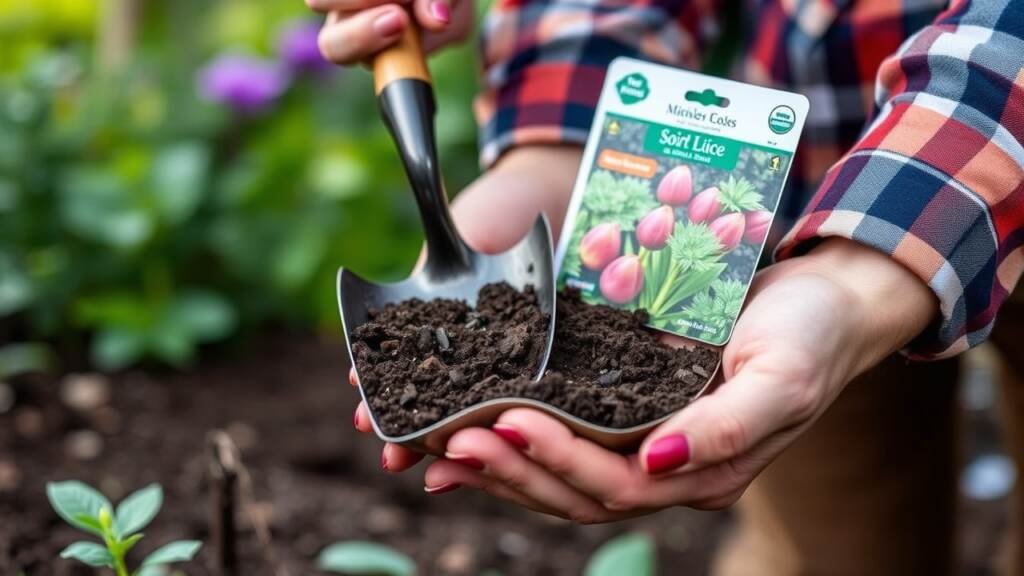
Enhancing soil health is crucial for maximizing water retention and supporting plant growth during the dry season. Incorporating organic compost into your soil improves its structure, allowing it to hold more water and nutrients. Compost also enriches the soil with essential microorganisms that promote healthy root development and nutrient absorption. Regularly amending your soil with compost ensures that your plants have access to the moisture and nourishment they need to thrive, even during periods of drought.
Smart Mulching Techniques
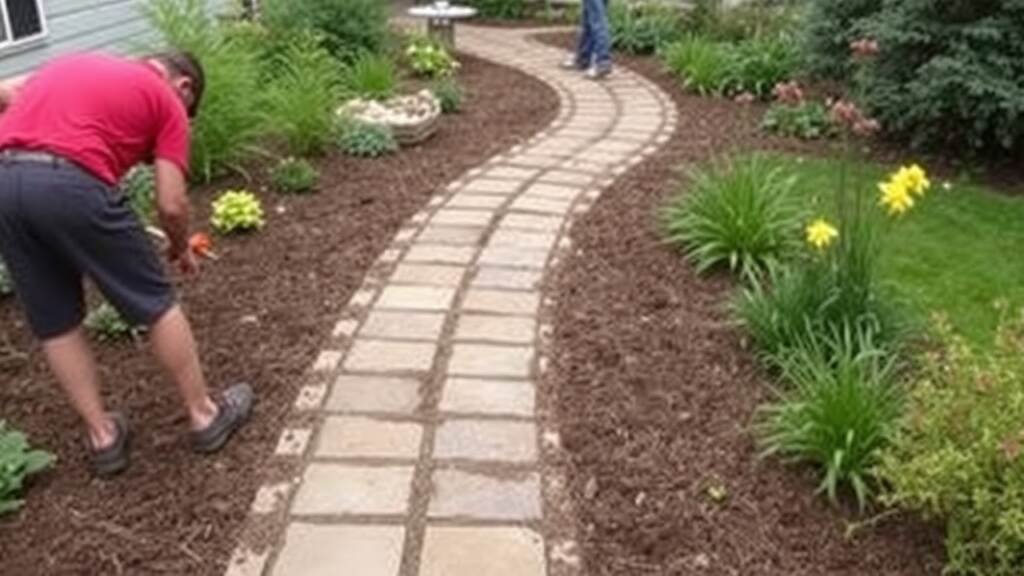
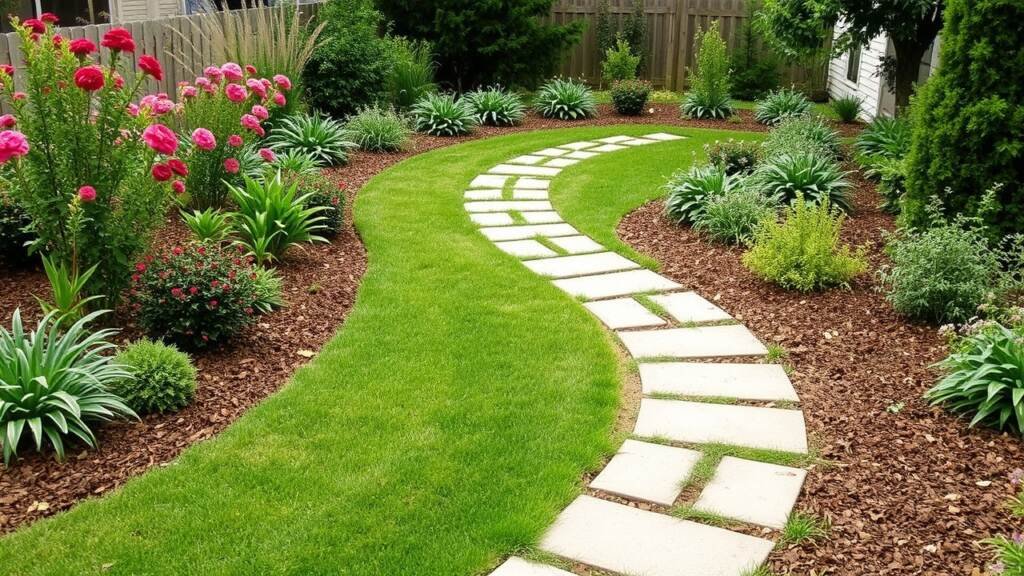
Applying mulch is an excellent way to further enhance soil water retention and protect your plants from the harsh effects of the dry season. Organic mulch, such as bark chips or straw, helps to insulate the soil, reduce evaporation, and suppress weed growth. Gravel mulch is another option, especially for plants that prefer drier conditions. Be sure to apply a thick enough layer of mulch to effectively retain moisture and regulate soil temperature.
Tip 3 — Water Smart, Not More

The Right Time to Water Your Lawn
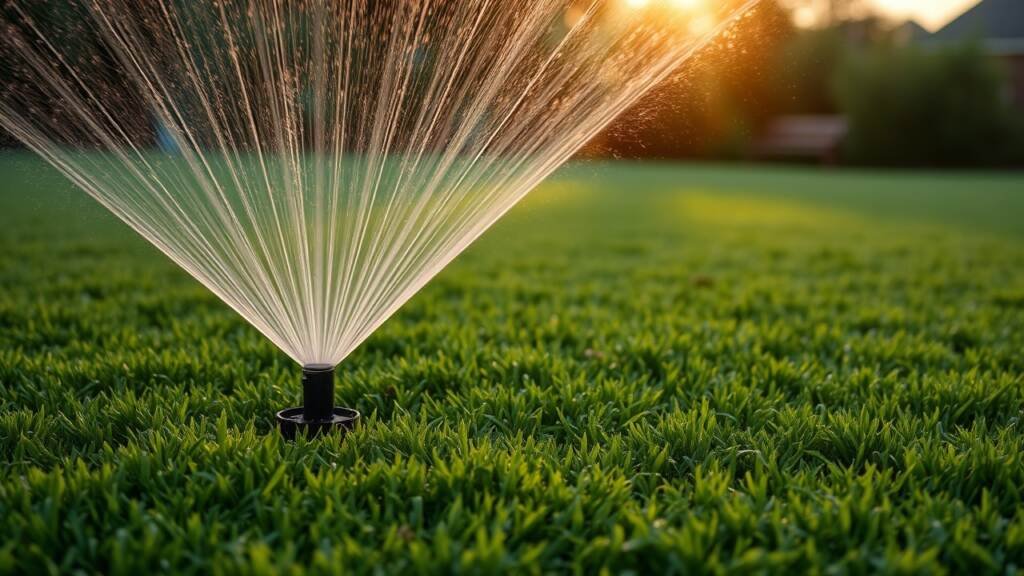
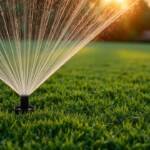
Timing is everything when it comes to watering your lawn, especially during the dry season. To maximize efficiency and minimize evaporation, the best time to water your lawn is early morning or late evening. These times of day are cooler, allowing water to soak into the soil and reach the roots before the sun can cause it to evaporate. Avoid watering your lawn during the hottest part of the day, as much of the water will simply evaporate before it can benefit your plants.
Efficient Irrigation Systems for Water Conservation
Investing in an efficient irrigation system is a smart way to conserve water and keep your garden green during the dry season. Drip irrigation and soaker hoses deliver water directly to the plant roots, reducing evaporation and minimizing water waste. Smart sprinkler systems can also be programmed to adjust watering schedules based on weather conditions and soil moisture levels. Eco-friendly watering trends in the U.S. are increasingly focused on these types of systems to promote sustainable lawn care.
Tip 4 — Provide Shade and Protection

Use Trees and Structures Strategically
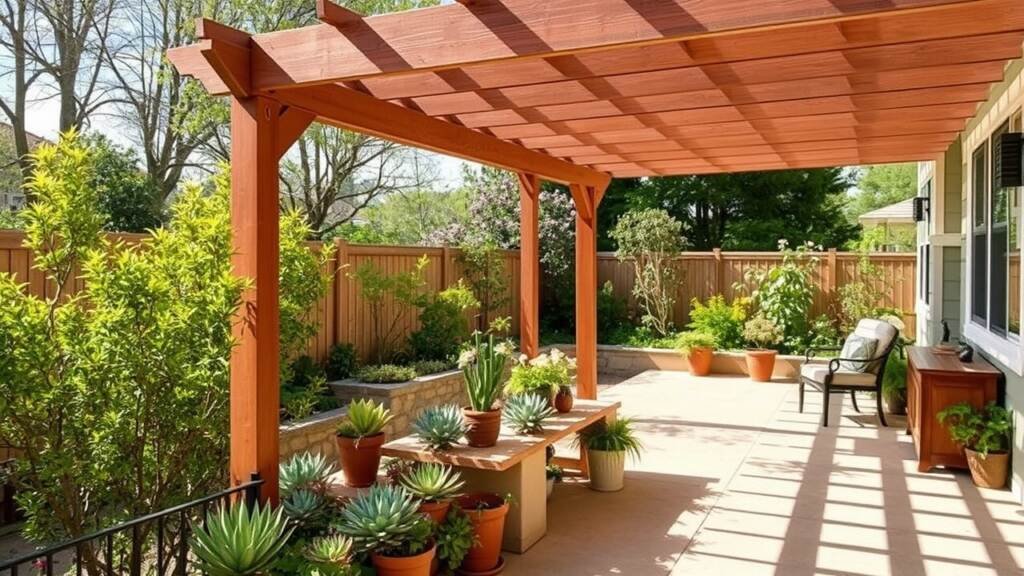
Creating shade and protection for your plants can significantly reduce their water requirements during the dry season. Strategically placing trees and structures, such as pergolas or trellises, can provide much-needed relief from the sun’s intense heat. Shade-loving plants should be positioned in areas that receive partial or full shade, while more sun-tolerant plants can be placed in sunnier spots. By providing shade, you can help keep your garden green and reduce the amount of water needed to maintain a healthy lawn.
Group Plants by Water Needs
Another effective strategy for conserving water is to group plants based on their water needs. This approach, known as hydrozoning, allows you to water different sections of your garden according to their specific requirements. Plants with similar water needs can be grouped together, ensuring that each plant receives the appropriate amount of water without over- or under-watering. Hydrozoning reduces water waste and promotes healthier plant growth, especially during the dry season.
Tip 5 — Maintain and Monitor Regularly

Seasonal Checks and Pruning Techniques
Regular maintenance is essential for keeping your lawn green and ensuring your plants thrive throughout the dry season. Seasonal checks and pruning can help promote strong root growth and prevent water loss through damaged leaves. Remove any dead or diseased foliage to encourage healthy growth and improve air circulation. Proper pruning techniques can also help to shape your plants and direct their energy towards new growth, ultimately helping them need to thrive in dry conditions.
Early Signs of Stress to Watch For
Being vigilant and monitoring your plants for early signs of stress is crucial for preventing significant damage during the dry season. Look out for symptoms such as yellowing leaves, soil cracks, or drooping, as these can indicate that your plants are not receiving enough water. Early detection allows you to take prompt action, such as adjusting your watering schedule or providing additional shade, to help your plants recover and keep your garden green and lush lawn.
Destiny Landscape’s Bonus Advice

Incorporate Sustainable Design Features
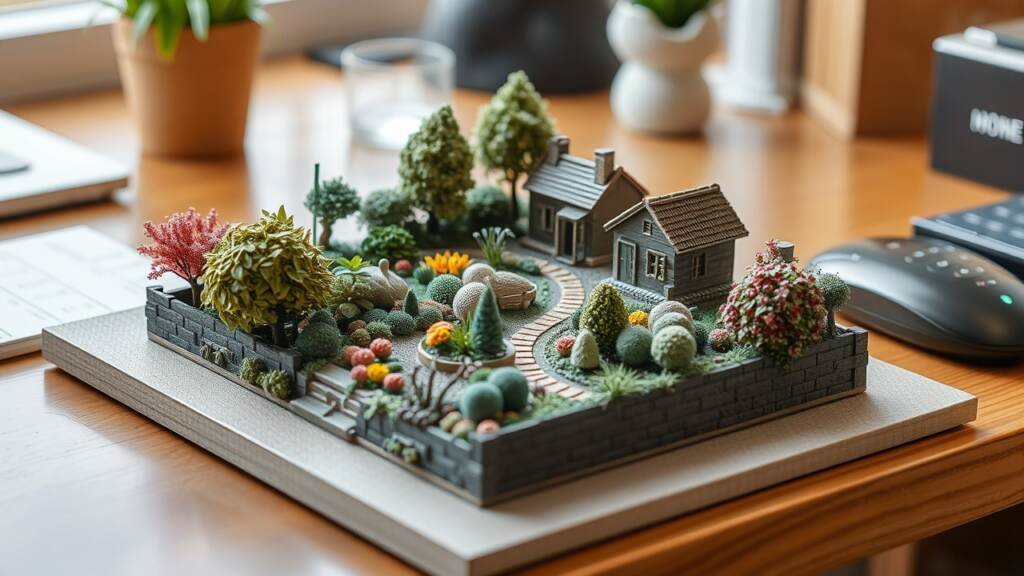
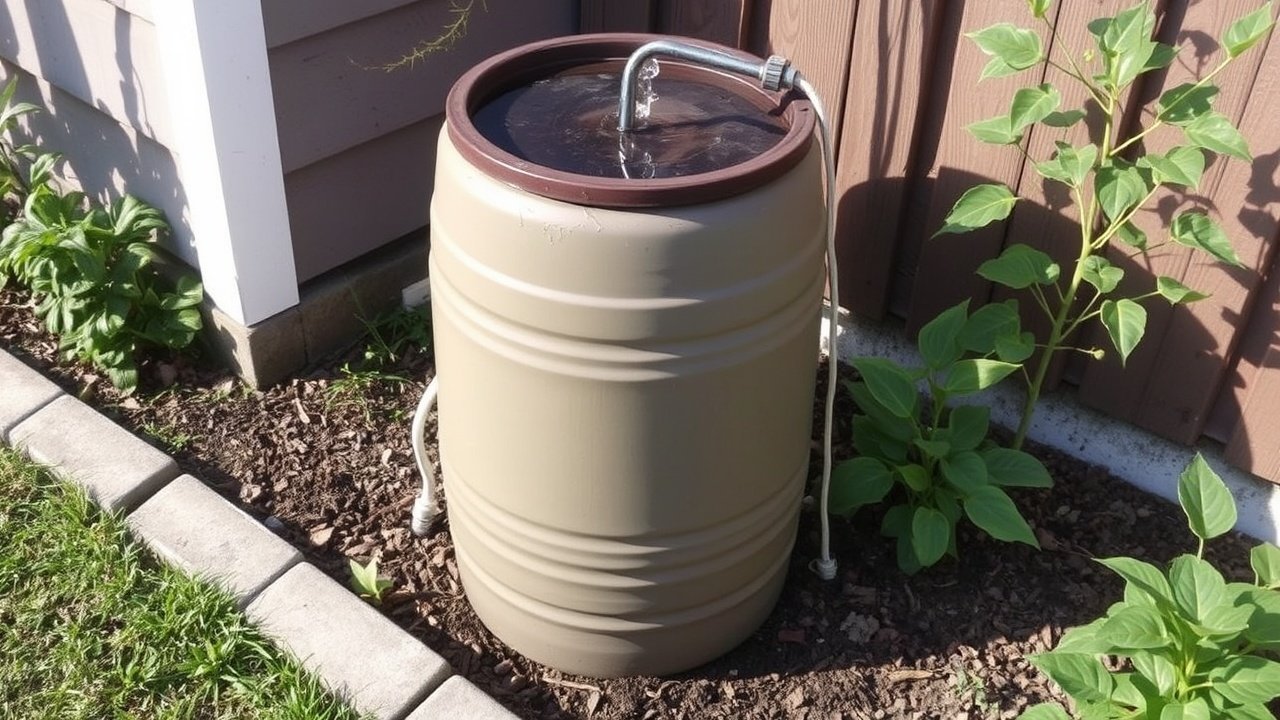
For a truly drought-resilient garden, consider incorporating sustainable design features into your landscape. Rain barrels can collect rainwater for later use, reducing your reliance on municipal water sources. Water recycling systems can reuse graywater from showers and sinks for irrigation purposes. Xeriscaping, which involves designing landscapes with drought-resistant plants and minimal irrigation, is another excellent way to create a beautiful and sustainable outdoor space and keep your garden green.
Balance Beauty and Function
At Destiny Landscape, we believe that a well-designed garden should be both beautiful and functional. Thoughtful planning can create a landscape that not only enhances the aesthetic appeal of your home but also conserves water and promotes environmental sustainability. By carefully selecting plants, incorporating efficient irrigation systems, and utilizing sustainable design principles, you can create a garden that is both stunning and resilient and keep your garden green during even the harshest dry season.
Common Mistakes to Avoid

One of the most common mistakes homeowners make during the dry season is overwatering or watering at the wrong time. Overwatering can lead to root rot and other plant diseases, while watering during the heat of the day can result in excessive evaporation. Another mistake is ignoring soil quality, which can significantly impact water retention. Additionally, using non-native or water-hungry plants can make it challenging to keep your garden green during periods of drought. Finally, neglecting seasonal maintenance, such as mulching and pruning, can also hinder your efforts to create a thriving landscape.
Final Thoughts from Destiny Landscape
Keeping your garden green during the dry season requires a combination of smart planning, mindful care, and sustainable practices. By choosing drought-resistant plants, improving soil health, watering efficiently, providing shade and protection, and maintaining your landscape regularly, you can create a beautiful and thriving outdoor space that withstands even the hottest months. Remember, sustainability starts with smart design and mindful care. At Destiny Landscape, we turn dry yards into living green sanctuaries.
Contact Destiny Landscape today to bring lasting greenery and balance to your outdoor space.
Destiny Landscape’s Bonus Advice
Incorporate Sustainable Design Features
Consider incorporating sustainable design elements like rainwater harvesting systems, such as rain barrels, which collect rainwater to reduce reliance on municipal water, or xeriscape gardens that use drought-resistant plants to minimize irrigation needs. Furthermore, implementing greywater recycling systems can repurpose household wastewater to water your lawn, contributing to a more eco-friendly approach. These innovative solutions conserve resources and keep your garden green even during extended dry season.
Balance Beauty and Function in Your Garden
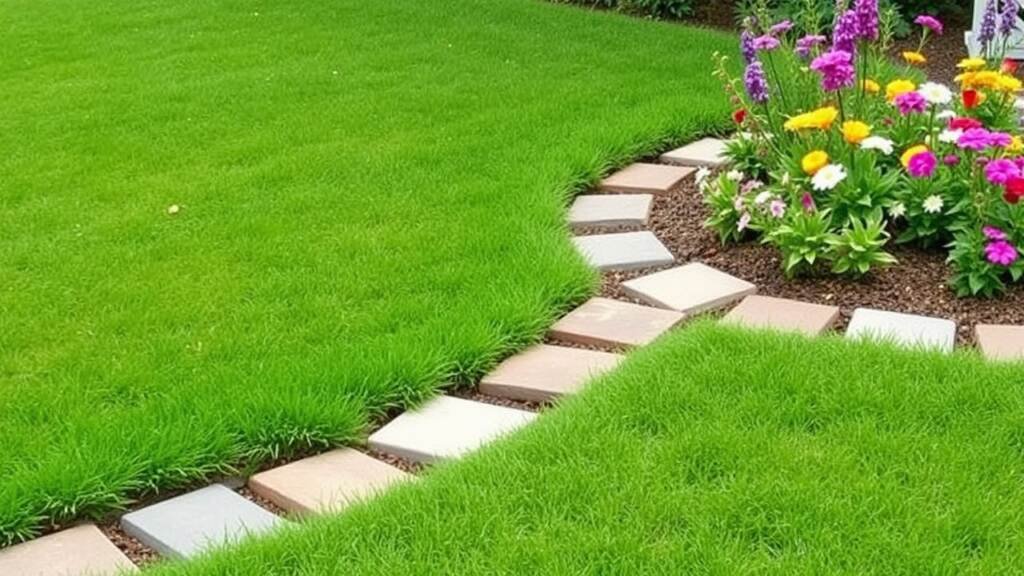
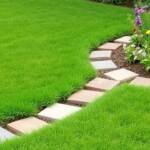
Balancing aesthetics and functionality is critical to a thriving garden during the dry season. Choose drought-resistant plants that offer visual appeal while requiring minimal water, ensuring you keep your garden green without excessive water consumption. Incorporate features like permeable pavers to reduce runoff and improve soil drainage, enhancing both the beauty and practicality of your landscape, contributing to a lush lawn even in dry conditions.
Common Mistakes to Avoid
Overwatering or Watering at the Wrong Time
A common mistake is overwatering, which can lead to root rot and fungal diseases, especially during the dry season. Avoid watering in the heat of the day, as much of the water will evaporate before it reaches the roots, wasting valuable resources. Instead, water deeply and less frequently, preferably in the early morning, allowing the soil to absorb moisture efficiently and promoting a green lawn.
Ignoring Soil Quality and Its Importance
Ignoring soil quality is a critical mistake that can hinder your efforts to keep your lawn green. Poor soil lacks the necessary water retention capabilities and nutrients to support healthy plant growth. Regularly amend your soil with organic compost and organic mulch to improve its structure and fertility, creating an environment where plants can thrive even during periods of drought. A healthy soil is the key to a green lawn.
- Landscape to Increase Home Value? Add Value, Increasing Home
- Types of Trees for Your Landscape: Arbor Day Foundation Guide
- Smart Rainwater Reuse Systems: The Future of Sustainable Lawn Care
- DIY Paver Patio: Step-by-Step Guide to Build a Patio
- Landscape Solutions Crossville | Expert Landscape Services