Creating a garden that feels both inviting and visually appealing is an art. It’s about more than just planting flowers; it’s about crafting an outdoor space that resonates with your personal style and provides a sense of tranquility. A harmonious garden design achieves this by carefully balancing color, texture, and materials, resulting in a landscape that is not only beautiful but also emotionally satisfying. Let’s explore how to achieve this balance in your own backyard.
The Importance of Color Harmony in Landscaping

Understanding Color Schemes and Their Impact
Color harmony is essential in landscaping because it dictates how the different elements of your garden interact with each other. The color wheel provides a foundation for understanding color schemes, influencing the overall mood and visual appeal. Understanding how colors relate to one another is vital for creating a cohesive and balanced garden design.
Creating a Focal Point with Color
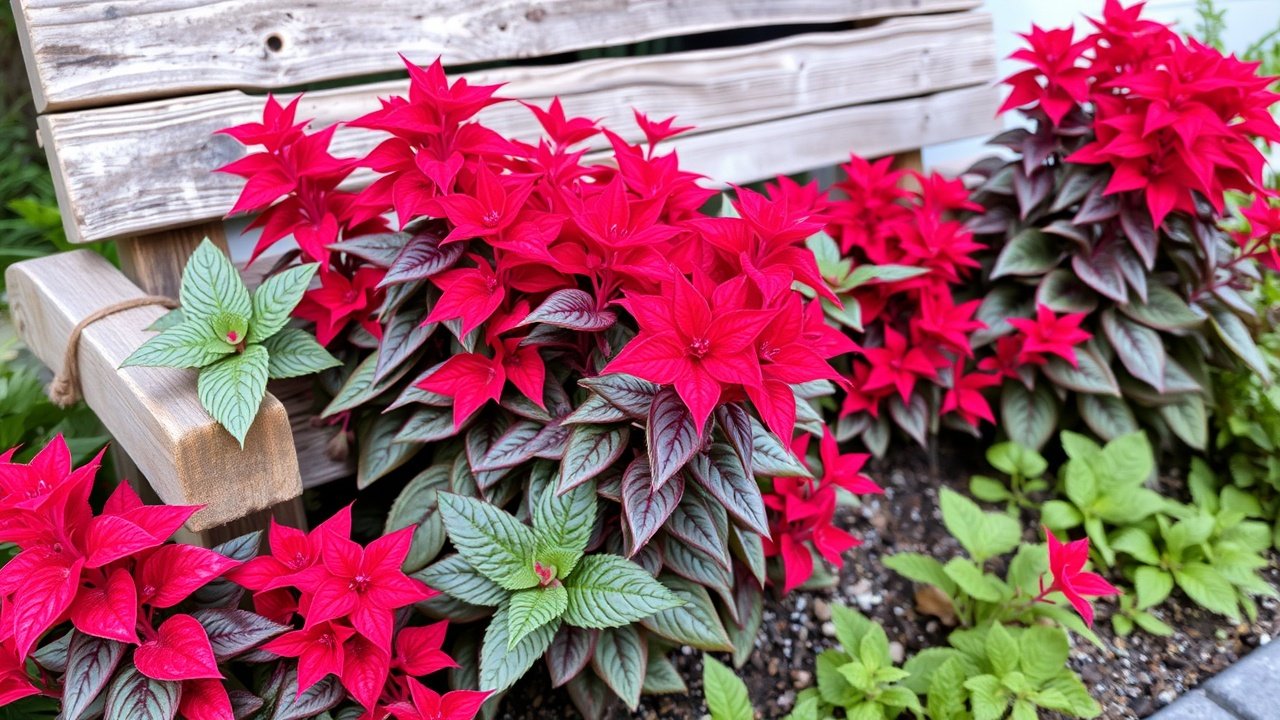
A focal point draws the eye and anchors the space, creating a sense of direction and purpose within the garden design. Employing vibrant hues or contrasting colors strategically can establish a clear focal point. Consider using a bright red shrub or a grouping of yellow perennials to immediately capture attention and guide the viewer’s gaze. A well-designed garden often hinges on a strong focal point.
The Role of Color in Outdoor Spaces
Color plays a significant role in shaping the atmosphere of outdoor spaces. Warm colors like reds and yellows evoke feelings of energy and excitement, while cool colors such as blues and greens promote calmness and relaxation. Skillful manipulation of a color palette can dramatically transform how a garden feels. Color combinations have a great influence on garden design.
Understanding the Garden Color Palette

Developing a thoughtful garden color palette is key to creating a harmonious outdoor space. Just as an artist carefully selects their paints, a gardener should choose plants and materials with an eye toward color relationships. The interplay of different hues can evoke specific moods and enhance the overall aesthetic of your landscape. Understanding foliage color is vital.
Warm vs. Cool Plant Tones
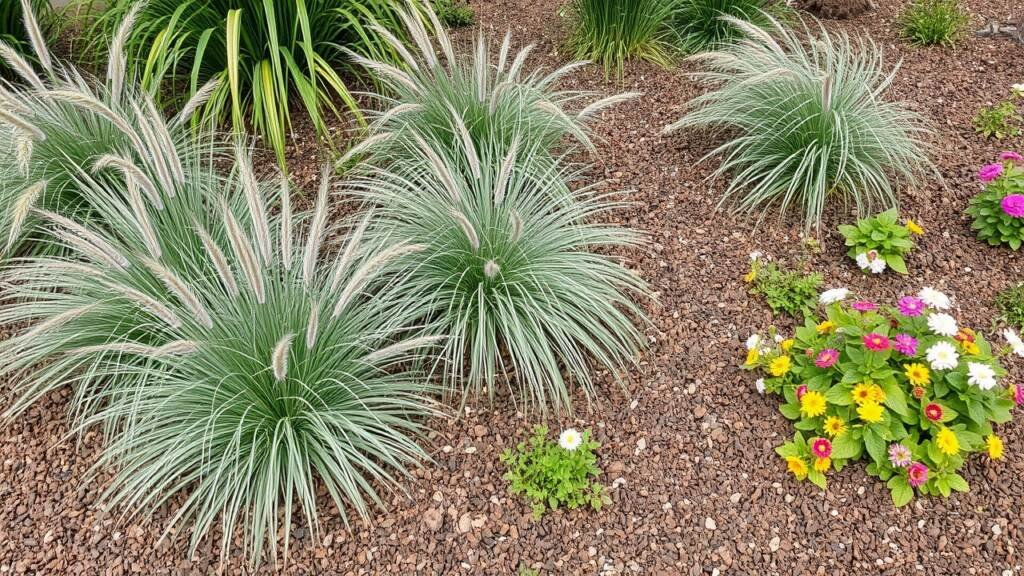
Warm colors, such as reds, oranges, and yellows, tend to advance and create a sense of energy and excitement in the garden. Conversely, cool colors, like blues, greens, and violets, recede and evoke feelings of calmness and serenity. Using a mix of warm and cool plant tones allows for a more dynamic and balanced garden design, adding depth and visual interest to the planting.
Neutral Foliage for Balance
Neutral foliage colors, such as grays, silvers, and muted greens, play a crucial role in creating a balanced garden. These colors provide a visual resting point, preventing the color scheme from becoming overwhelming. Incorporating plants like hostas with their varied foliage color allows other colors to truly shine, resulting in a more harmonious and visually appealing landscape.
Combining Colors for a Cohesive Look
Achieving a cohesive look involves carefully considering how different colors interact with one another. Analogous colors, which are adjacent to each other on the color wheel, create a sense of harmony and unity. Complementary colors, found opposite each other, offer a vibrant contrast that can add excitement and visual interest to your garden, enhancing the overall design. This is important when combining plants.
Choosing the Right Materials for Texture and Balance

Natural Materials to Enhance Garden Design
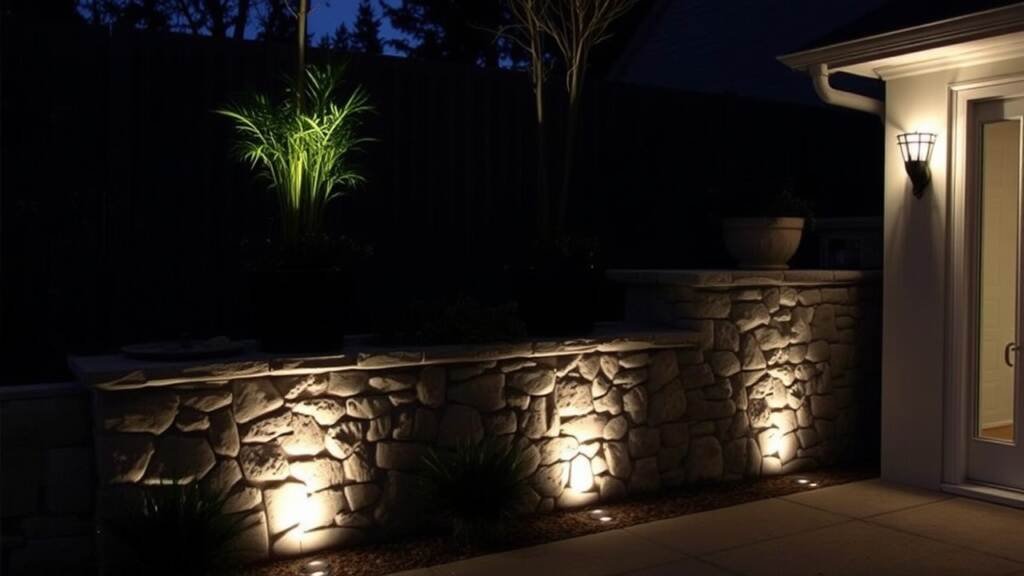
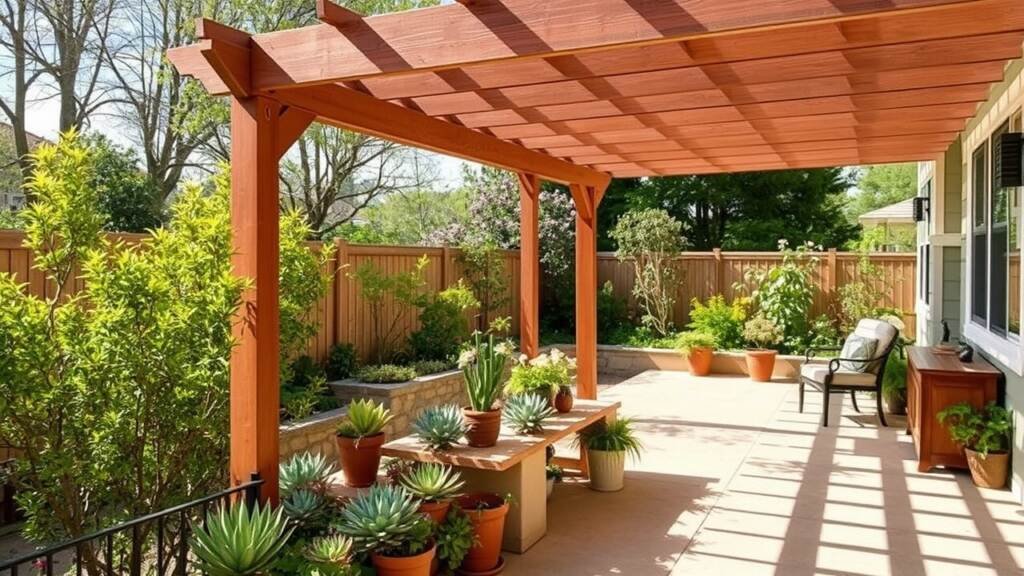
Selecting the appropriate landscaping materials is crucial for achieving a harmonious garden design. Natural materials like stone, wood, and metal introduce a sense of authenticity and connection to the environment. The texture and color of these elements can significantly impact the overall aesthetic of the space, so it is important to consider their characteristics when designing a garden. A garden designer will often incorporate these materials.
The Influence of Texture on Visual Weight
Texture plays a vital role in shaping the visual weight and depth of a garden. Coarse textures tend to appear heavier and draw the eye, while fine textures recede and create a sense of spaciousness. By strategically using contrasting textures, you can create a balanced garden and enhance the overall sensory experience. This design element is important for the gardener to understand in order to create a harmonious design.
Tips from Destiny Landscape for Creating a Cohesive Look

Effective Repetition of Color in Plant Groupings
Repetition of color is a powerful tool in creating a cohesive look within a garden. By repeating certain hues throughout the space, you can create a sense of rhythm and unity. Consider using plant groupings with similar foliage color or flower color to tie different areas of the garden together. This is particularly effective in a flower garden and enhances the harmonious garden design.
Mixing Hardscape and Softscape Elements
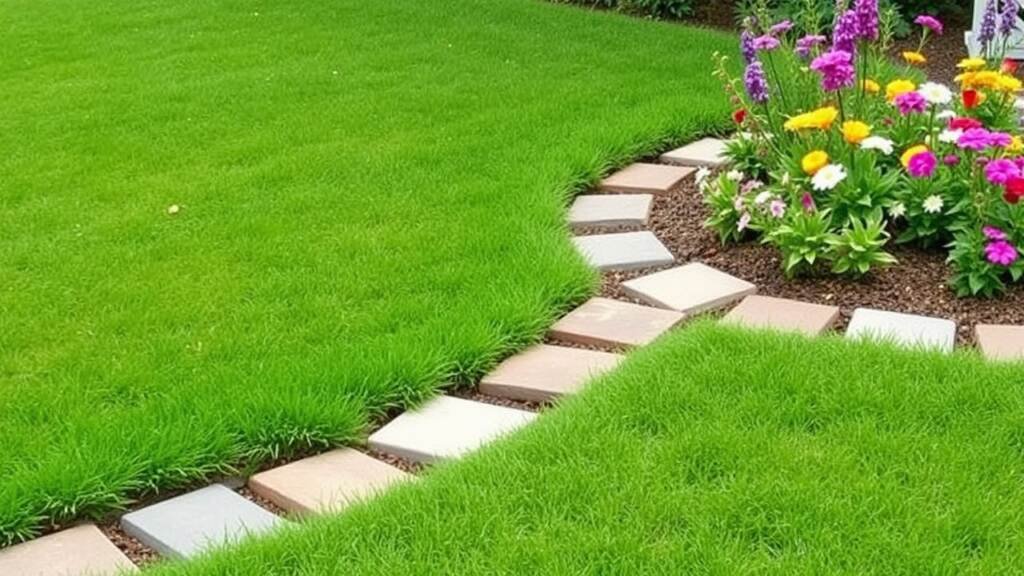
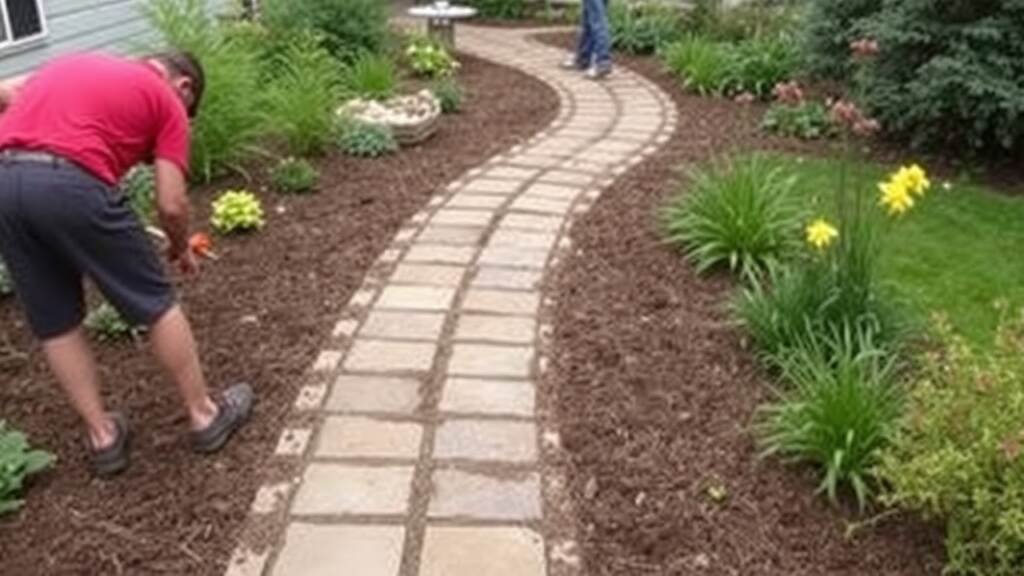
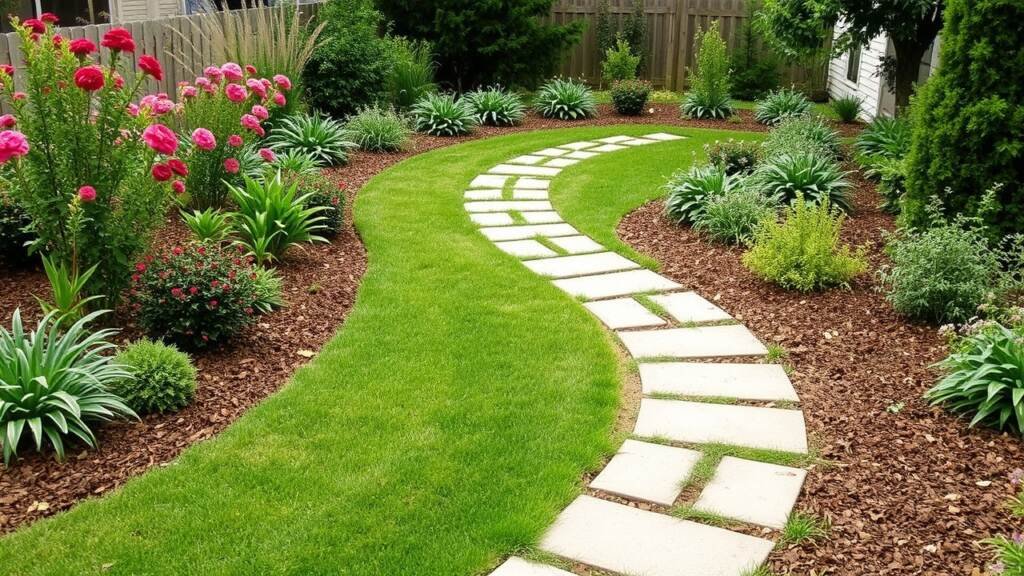
Blending hardscape and softscape elements is essential for achieving a balanced garden. Hardscape elements like pathways, patios, and walls provide structure and definition, while softscape elements such as plants and lawns add softness and visual interest. By carefully integrating these two components, you can create a harmonious and inviting outdoor space. Consider using landscape design to create this effect.
Common Mistakes to Avoid in Color and Material Pairing
Overusing Contrasting Colors
While contrasting colors can add excitement to your garden design, overusing them can create a jarring and chaotic effect. A balanced garden utilizes complementary colors strategically to draw attention to focal points, but relies on analogous colors and neutral tones to maintain harmony. Too much contrast can overwhelm the eye and disrupt the overall sense of calm and cohesion. Therefore, use contrasting colors sparingly to create a balanced garden design.
Ignoring Scale and Space
Failing to consider the scale of plants and materials in relation to the available space is a common mistake in garden design. Always choose plant material and design elements that are proportionate to the overall space to achieve a harmonious effect. A small garden overcrowded with large shrubs or oversized hardscape elements will feel cramped and unbalanced. Conversely, a vast space sparsely planted with delicate perennials can appear empty and uninviting. The size of plants will also influence the choice of foliage color.
Bringing It All Together — Designing Your Harmonious Garden

Establishing a Visual Flow
Creating a visual flow throughout your garden is essential for guiding the eye and creating a sense of continuity. Use pathways, repeating plant groupings, and strategic placement of focal points to lead visitors through the space. Consider how colors transition from one area to another, ensuring a smooth and harmonious progression. A well-designed garden encourages exploration and offers a cohesive and visually pleasing experience. Color combinations, plant groupings, and design elements should seamlessly integrate to enhance the experience of the garden.
Finalizing Your Planting Strategy
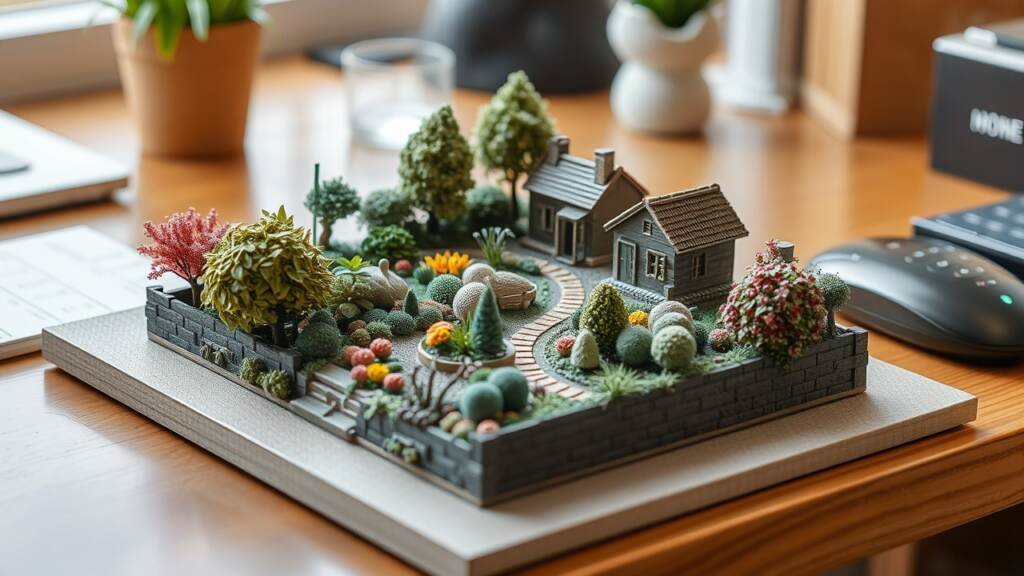
A well-thought-out planting strategy will result in a harmonious and balanced garden that evolves beautifully over time, and is an integral design element. Once you’ve established your color palette and chosen your materials, it’s time to finalize your planting strategy. Consider the mature size and shape of each plant, as well as its foliage color and texture. Ensure that your planting design incorporates a mix of heights, forms, and textures to create visual interest and depth.
Final Thoughts from Destiny Landscape
Encouraging a Personal Touch in Garden Design
Your garden should be a reflection of your personal style and preferences. Don’t be afraid to experiment with different color schemes, plant combinations, and materials to create a space that truly resonates with you. While design principles can provide guidance, the most important thing is to create a garden that brings you joy and enhances your quality of life. Your garden should be your happy place and a form of garden art that reflects your personal vision. Also, by including garden design tips found online, you can customize your garden further.
How to Seek Professional Guidance
Creating a harmonious garden design can be challenging, especially for those new to landscaping. If you’re feeling overwhelmed, don’t hesitate to seek professional guidance from a qualified landscape designer like Destiny Landscape. Our experts can help you develop a cohesive color palette, select the right materials, and create a planting strategy that meets your specific needs and preferences. Contact us today to schedule a consultation and bring your dream garden to life and design a garden you can be proud of.