
Having the right tools is key to successful landscaping and gardening. The right tools not only make the job easier but also more efficient, allowing you to achieve professional-looking results. Destiny Landscape is dedicated to helping you transform your outdoor spaces with the right techniques and equipment.
Essential Garden Gloves – Protect Your Hands
Importance of Hand Protection
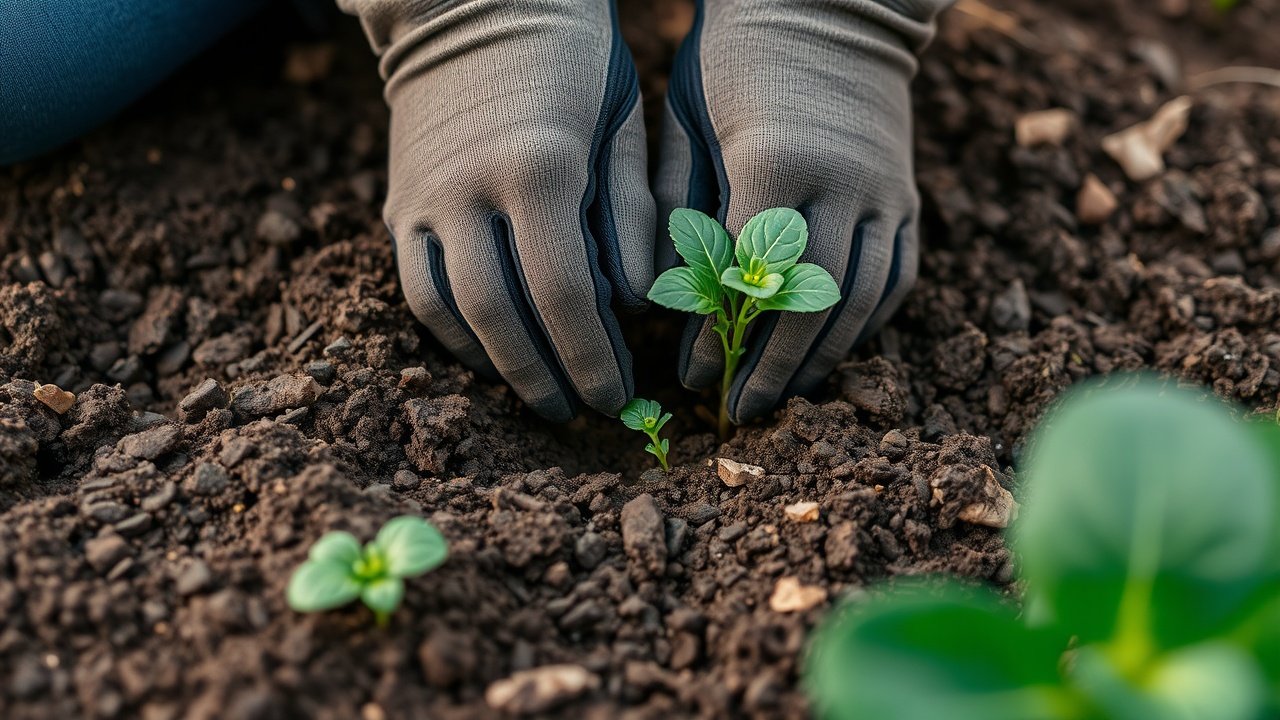
When performing various gardening tasks, protecting your hands is paramount. Garden gloves serve as an essential barrier against thorns, sharp objects, and potential skin irritants found in soil and plants. Ensuring you have the right tools for landscaping is key, and gloves are a must-have tool.
Durable Materials Used by Professionals
Landscaping professionals often rely on heavy-duty garden gloves made from materials like leather or reinforced synthetic fabrics. These materials provide superior durability and protection. Essential landscaping tools include gloves that can withstand the wear and tear of demanding landscaping projects, ensuring longevity and safety.
Choosing the Right Fit
Selecting garden gloves with the right fit is crucial for comfort and dexterity. Gloves that are too large can be cumbersome, while those that are too tight can restrict movement. Look for gloves with adjustable straps or elastic cuffs to ensure a snug and secure fit, allowing for precision during gardening tasks.
Pruning Shears – Keep Your Plants Healthy
Role of Pruning in Plant Care
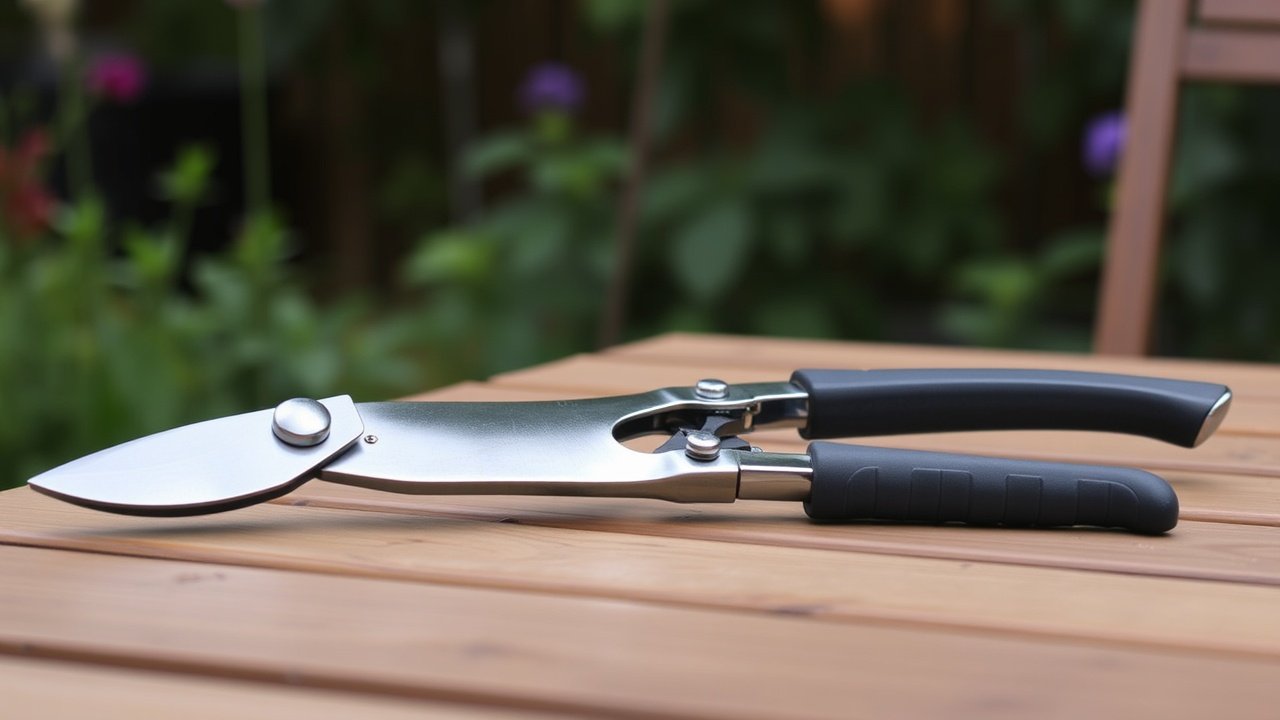
Pruning is a vital practice in garden care, promoting healthy growth and maintaining the desired shape of plants. By strategically removing dead or overgrown branches, pruning encourages air circulation and sunlight penetration. Pruning shears are essential gardening tools for maintaining plant health and aesthetics.
Types of Pruning Shears
There are various types of pruning shears available, each designed for specific trimming tasks. Two common types are:
- Bypass pruners, which are ideal for making clean cuts on living stems.
- Anvil pruners, better suited for cutting through thicker, dead wood.
Loppers, with their long handles, provide extra leverage for reaching higher branches.
Pro Tips for Effective Use
For effective pruning, always use sharp and clean pruning shears to prevent the spread of diseases. Make cuts at a slight angle just above a bud or branch to encourage new growth in the desired direction. Regularly prune shrubs and bushes to maintain their shape and promote healthy foliage.
Spade – Your Go-To Tool for Digging
Uses of a Spade in Landscaping
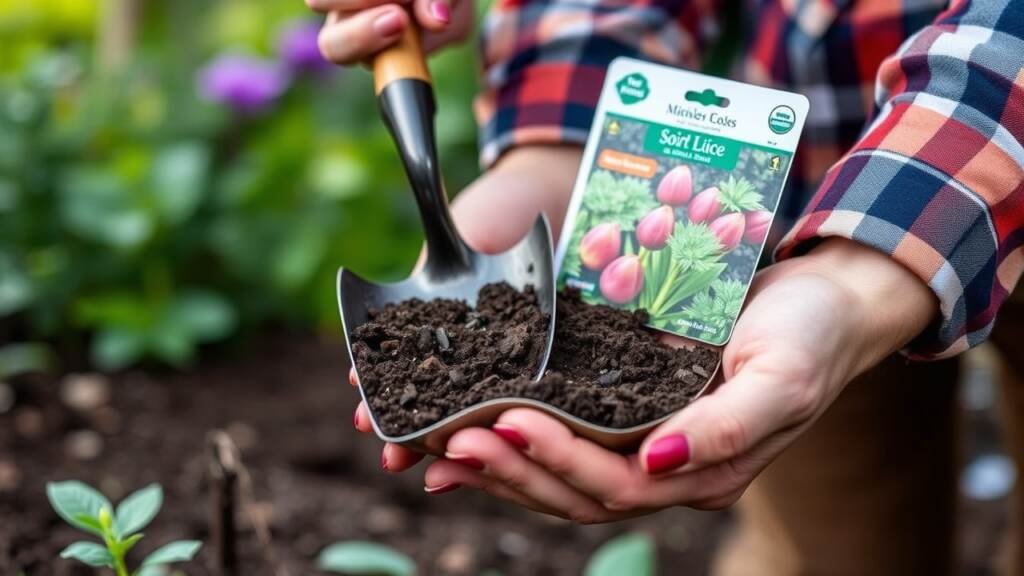
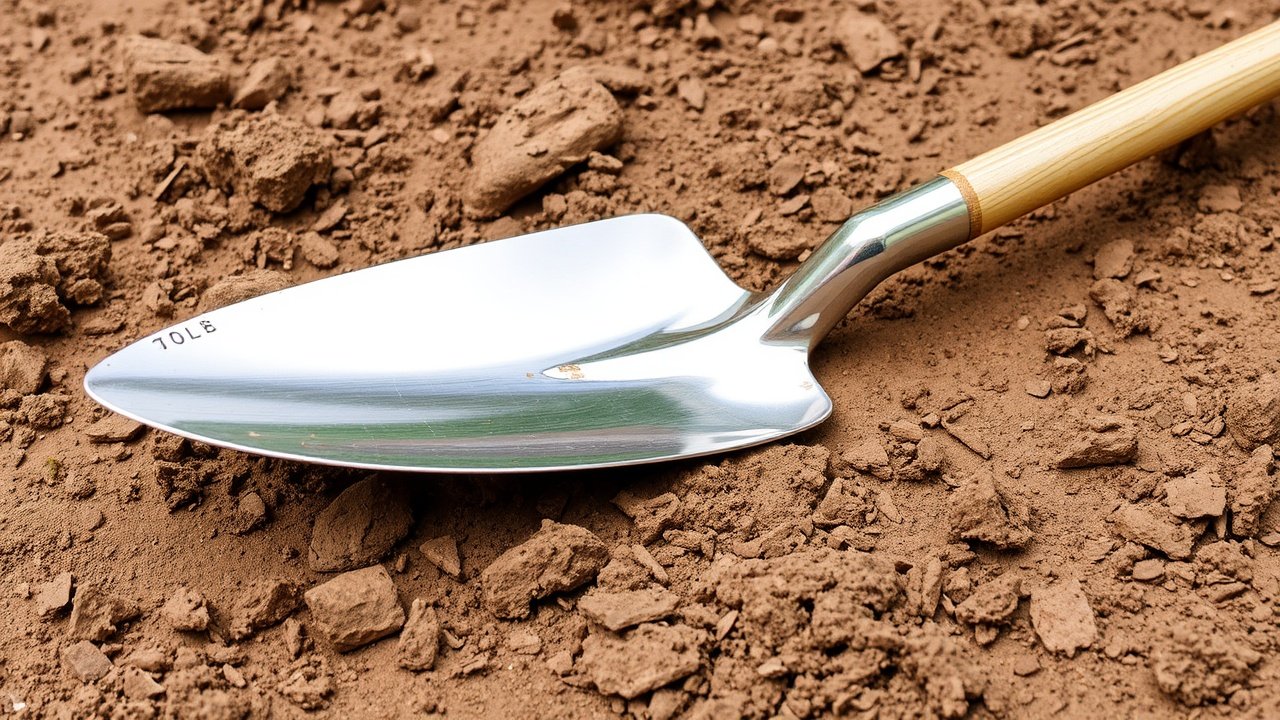
A spade is an indispensable garden tool for various landscaping tasks, including digging holes for planting, edging garden beds, and preparing soil. Its flat blade and sturdy construction make it ideal for cutting through tough soil and creating clean edges along lawns and pathways.
Ergonomic Features for Ease of Use
Ergonomic handles are essential for a comfortable and efficient digging experience. Spades with ergonomic handle designs reduce strain on the hands and wrists, allowing for prolonged use without discomfort. The right tools, like a spade with an ergonomic handle, can save time and energy on landscaping projects.
Choosing the Right Spade
When selecting a spade, consider the blade material, handle length, and overall weight. A heavy-duty spade with a durable steel blade and a comfortable wooden handle is suitable for most landscaping tasks. Ensure the spade is lightweight enough to prevent fatigue during extended use.
Rake – Essential for Garden Cleanup
Differences Between Leaf Rakes and Garden Rakes
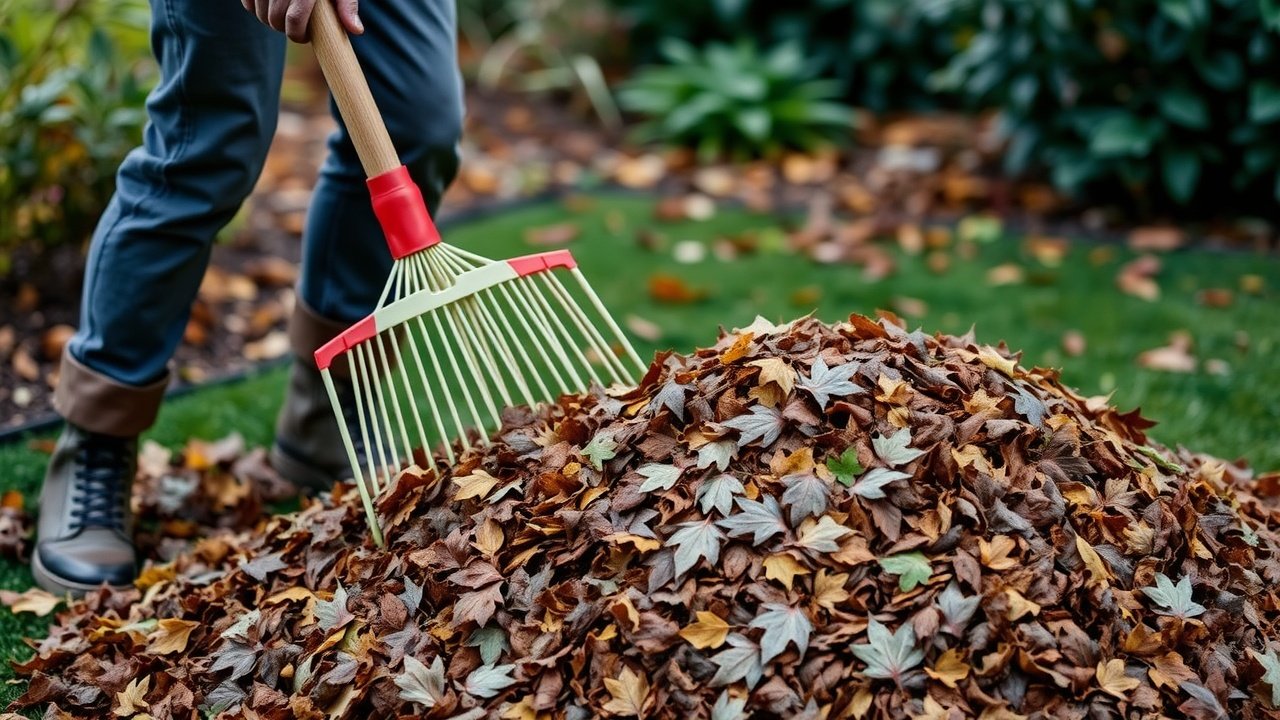
Understanding the difference between a leaf rake and a garden rake is essential for efficient lawn care and landscape maintenance. These rakes serve different purposes, mainly:
- A leaf rake, typically made with flexible plastic or metal tines, is designed for gathering leaves and light debris without damaging the grass.
- A garden rake, with its sturdy metal tines, is used for leveling soil, spreading mulch, and removing heavier debris from garden beds.
Choosing the right tools for landscaping ensures optimal results.
Using Rakes for a Neat Finish
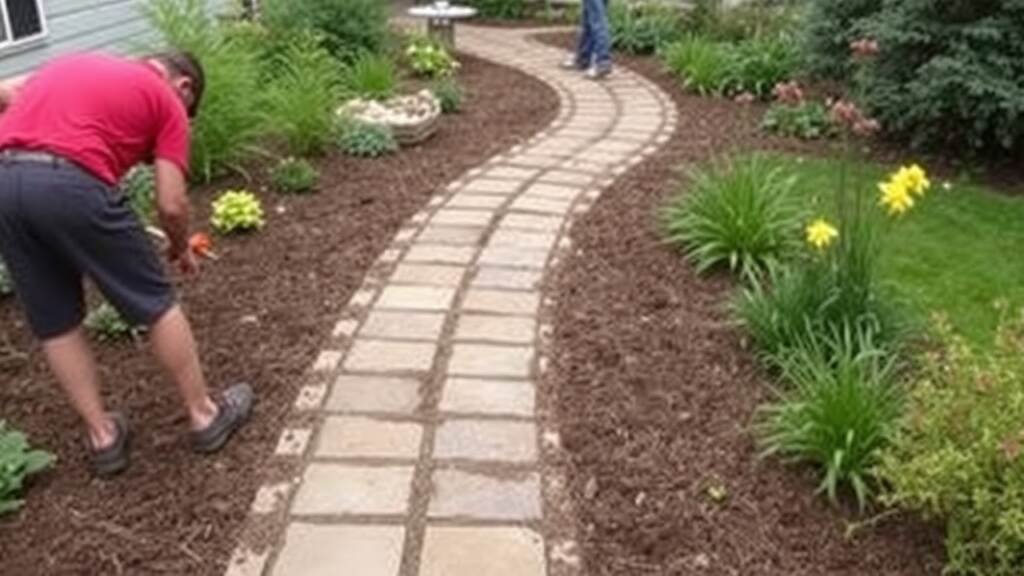
Using the right tools can make a significant difference in achieving a neat and tidy garden. After mowing the lawn, a leaf rake helps collect grass clippings and fallen leaves, leaving the lawn looking pristine. In garden beds, a garden rake can smooth the soil surface and remove weeds, creating a polished look. Landscaping professionals often use both types of rakes to ensure a clean and professional finish on their landscaping projects.
Maintenance Tips for Longevity
Proper maintenance of your rakes will extend their lifespan and ensure they remain effective gardening tools. After each use, clean the tines to remove soil, leaves, and debris. Store rakes in a dry place to prevent rust and corrosion. For leaf rakes with plastic tines, avoid prolonged exposure to direct sunlight, as this can cause the plastic to become brittle. With proper care, these essential garden tools will serve you well for years to come.
Wheelbarrow – Transport Heavy Loads Easily
Types of Wheelbarrows
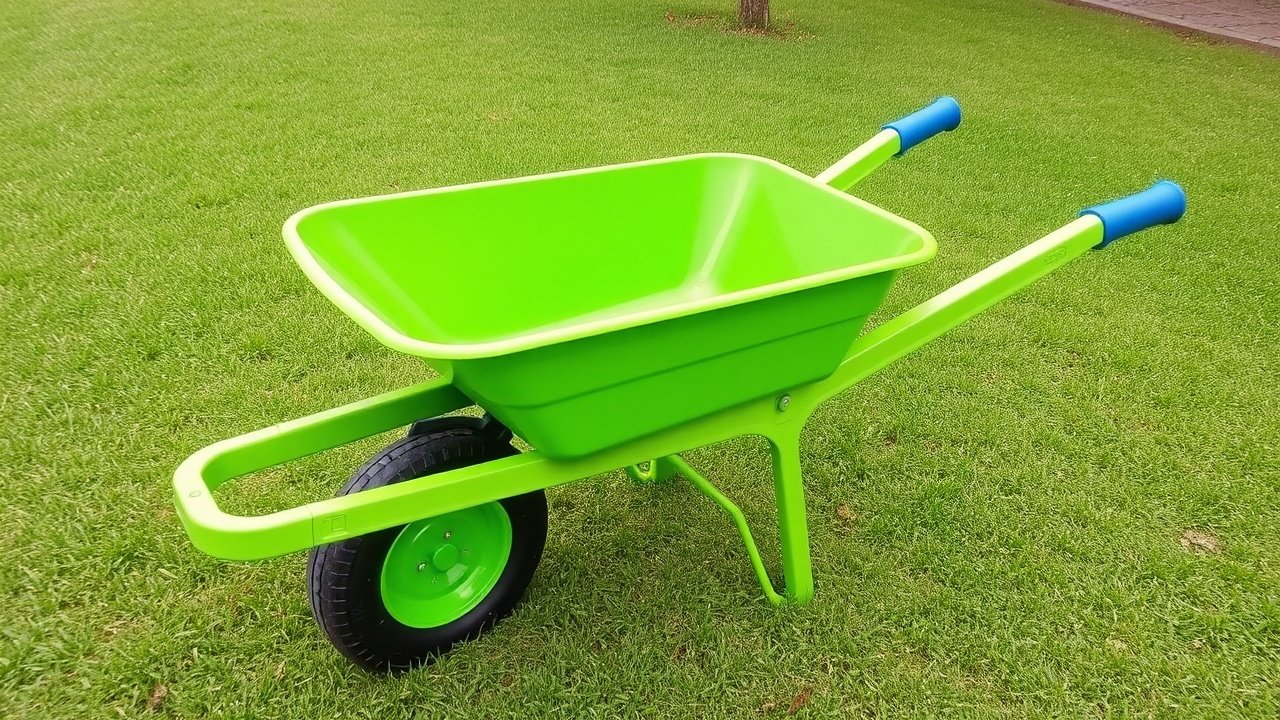
Wheelbarrows are indispensable for landscape projects, and understanding the different types is crucial. When considering your options, remember that wheelbarrows generally fall into two main categories:
- Single-wheel wheelbarrows are more maneuverable, ideal for tight spaces and uneven terrain.
- Dual-wheel wheelbarrows offer greater stability, making them perfect for hauling heavy loads across larger areas.
Consider the scope of your landscaping projects when selecting the right wheelbarrow for your needs. Using the right tools and equipment saves time and effort.
Efficiency in Landscape Projects
A wheelbarrow significantly enhances efficiency in various landscaping tasks. It simplifies the transport of soil, mulch, gravel, and plants around the garden or yard. Instead of making multiple trips with smaller containers, a wheelbarrow allows you to move substantial quantities of materials in one go, saving time and energy. This is particularly beneficial for landscaping businesses that need to complete jobs quickly and efficiently.
Choosing the Right Size for Your Needs
Selecting the appropriate size of wheelbarrow depends on the scale of your landscaping projects and the types of materials you typically handle. Smaller wheelbarrows with a 4-6 cubic foot capacity are suitable for light gardening tasks and smaller yards. Larger, heavy-duty wheelbarrows with an 8-10 cubic foot capacity are better suited for more extensive landscaping projects involving heavier loads of soil, rocks, or building materials. Ensure the wheelbarrow’s weight capacity meets your requirements for safe and efficient use.
Garden Hose and Nozzle – Smart Watering Solutions
Adjustable Features for Efficient Watering
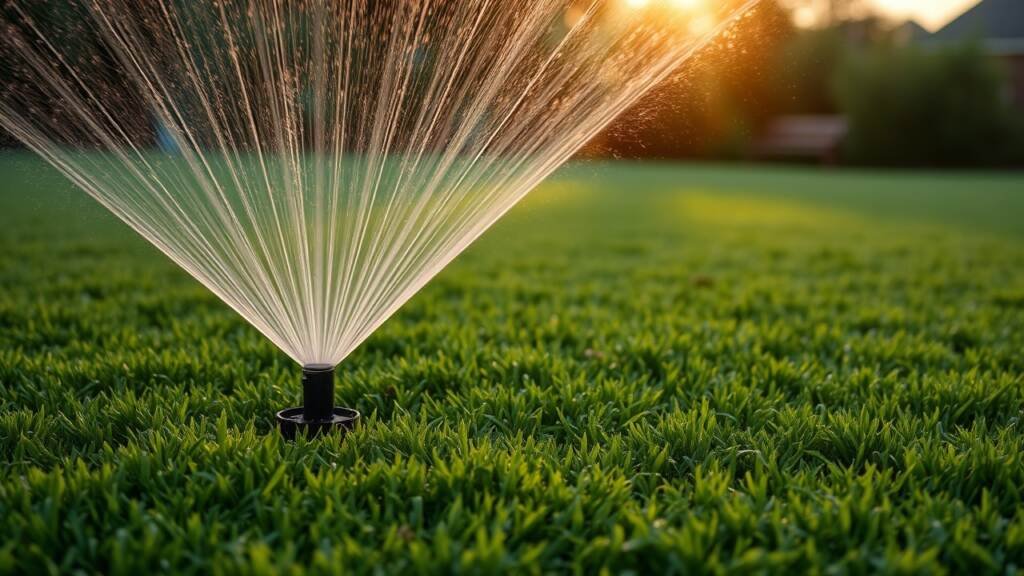
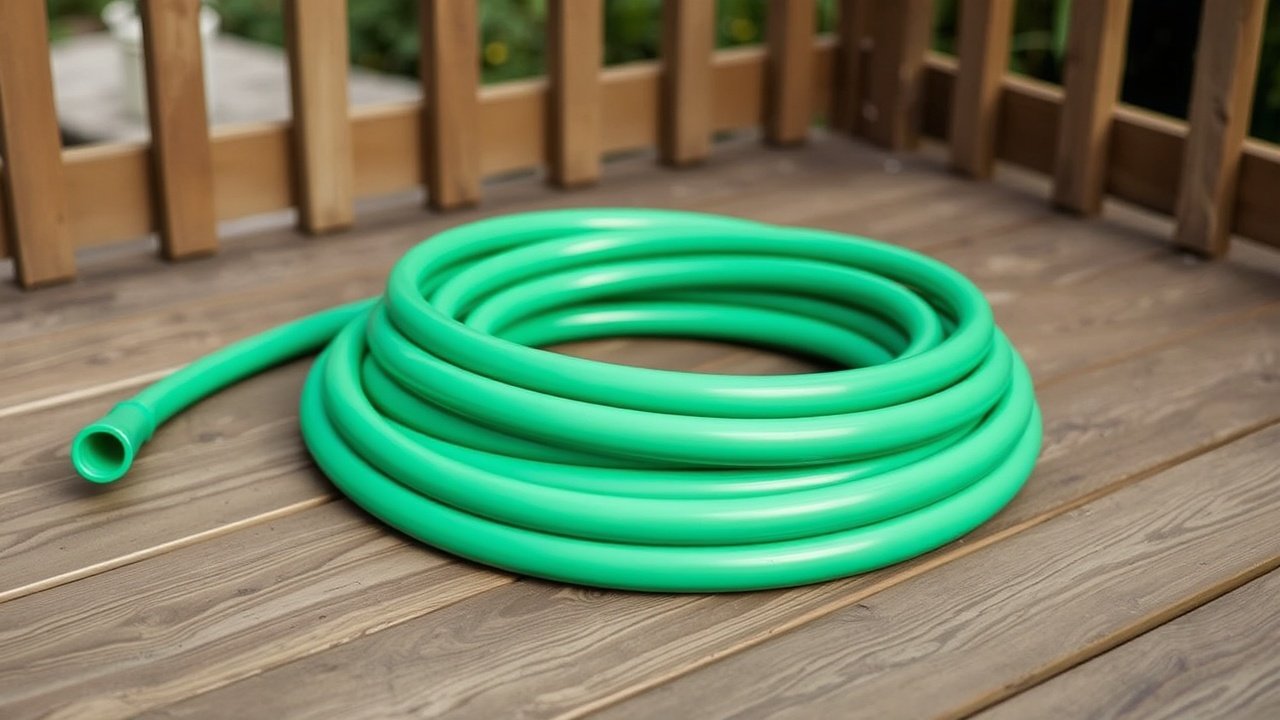
A garden hose and nozzle are essential for smart watering in any garden. Adjustable nozzles allow you to control the water flow, from a gentle mist for delicate plants to a powerful jet for cleaning. Different spray patterns cater to various gardening tasks, promoting efficient watering and minimizing water waste. These basic gardening tools are vital for maintaining healthy plants and a vibrant lawn.
Water Conservation Techniques
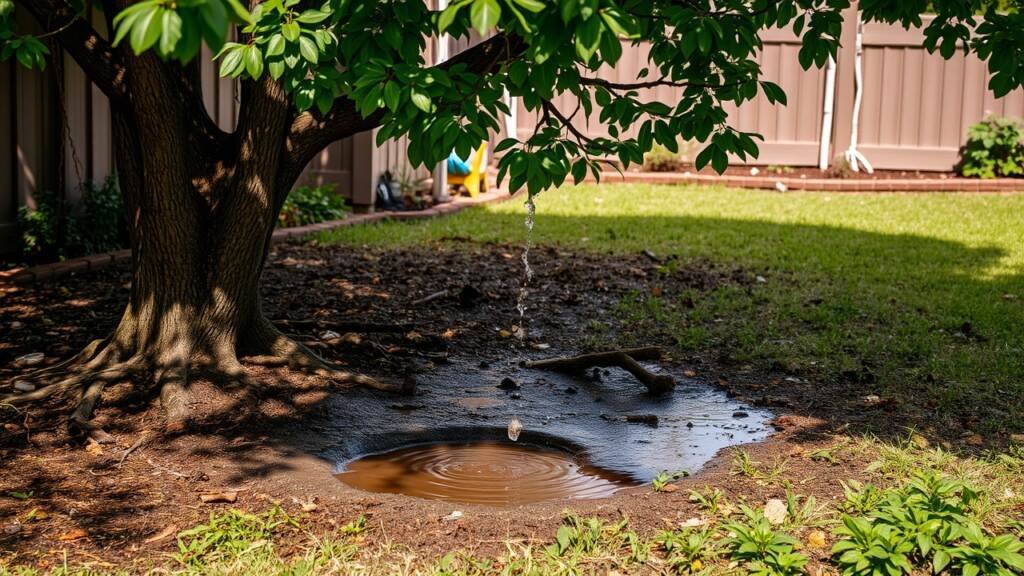
Conserving water is crucial for sustainable gardening, and the right tools can help. Use a garden hose with a shut-off nozzle to prevent water waste while moving between plants. Consider installing a drip irrigation system or soaker hoses to deliver water directly to the plant roots, reducing evaporation and runoff. Landscaping professionals often employ these techniques to promote water-efficient practices and minimize environmental impact.
Maintaining Your Hose for Durability
Proper maintenance will extend the life of your garden hose. After each use, drain the hose completely to prevent water from freezing and causing damage. Store the hose in a cool, dry place, away from direct sunlight, to prevent the material from deteriorating. Avoid dragging the hose over rough surfaces, which can cause abrasions and leaks. Regularly inspect the hose for cracks or leaks and repair them promptly to prevent water loss and maintain optimal performance.
Lawn Mower – Achieve a Perfect Lawn
Choosing Between Manual and Electric Mowers
Best Practices for Lawn Care
Mower Maintenance Tips
Hand Trowel – Precision for Small Gardens
Uses of Hand Trowels in Gardening
Choosing the Right Hand Trowel
Care and Maintenance
Hedge Trimmer – Shape Your Hedges with Ease
Manual vs. Electric Trimmers
Safety Tips for Hedge Trimming
Best Practices for Hedge Maintenance
Leaf Blower – Quick and Efficient Cleanup
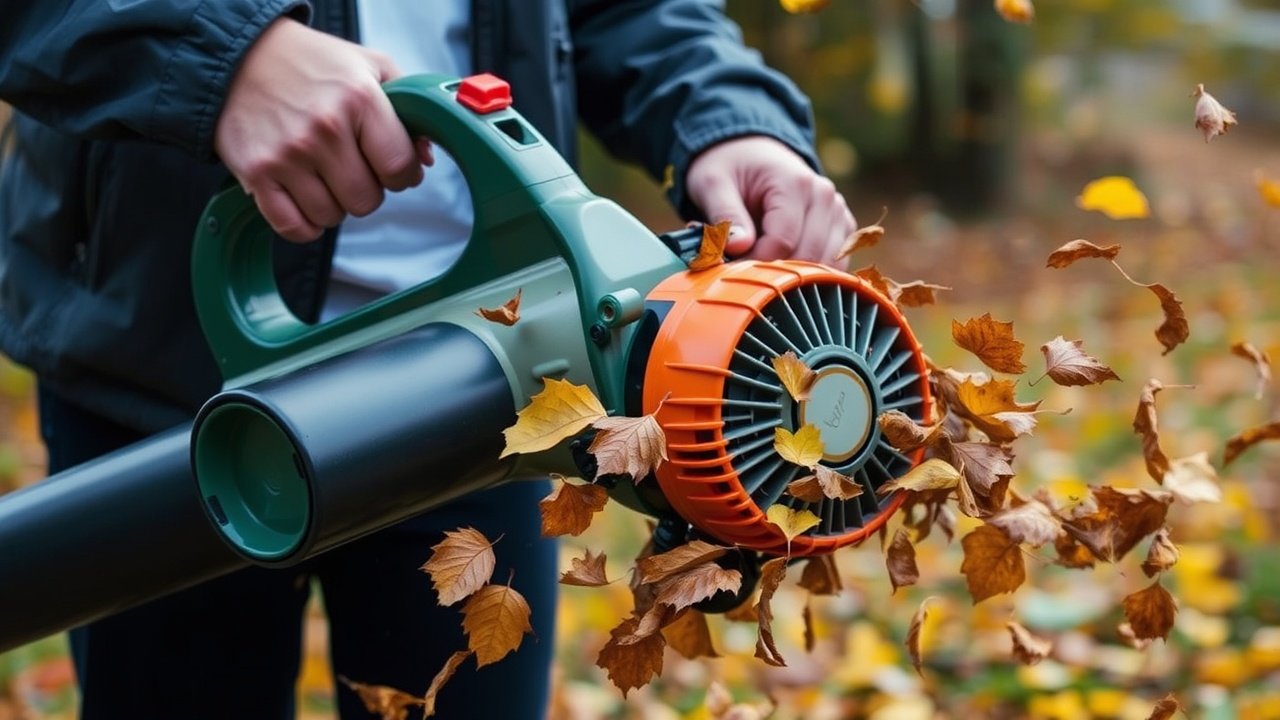
Types of Leaf Blowers Available
When selecting a leaf blower, consider the different types available to suit your landscaping needs. Handheld leaf blowers are lightweight and ideal for small gardens and driveways. Backpack leaf blowers offer more power and are better suited for larger areas and commercial use. Walk-behind leaf blowers provide even greater power and are designed for extensive landscaping projects.
Benefits of Cordless Models
Cordless leaf blowers offer numerous advantages over corded models. They provide greater mobility and freedom, allowing you to move around the garden or lawn without being tethered to a power outlet. Cordless models are also quieter and more environmentally friendly, as they do not produce emissions. Landscaping professionals love the convenience.
Using Leaf Blowers Responsibly
When using a leaf blower, it’s essential to operate it responsibly to minimize noise pollution and environmental impact. Avoid using the blower early in the morning or late at night to respect your neighbors. Direct the airflow away from streets and sidewalks to prevent debris from becoming a hazard. Consider using a rake for smaller cleanup jobs to reduce noise and energy consumption.
Bonus Tip: Maintain Your Tools for Longevity
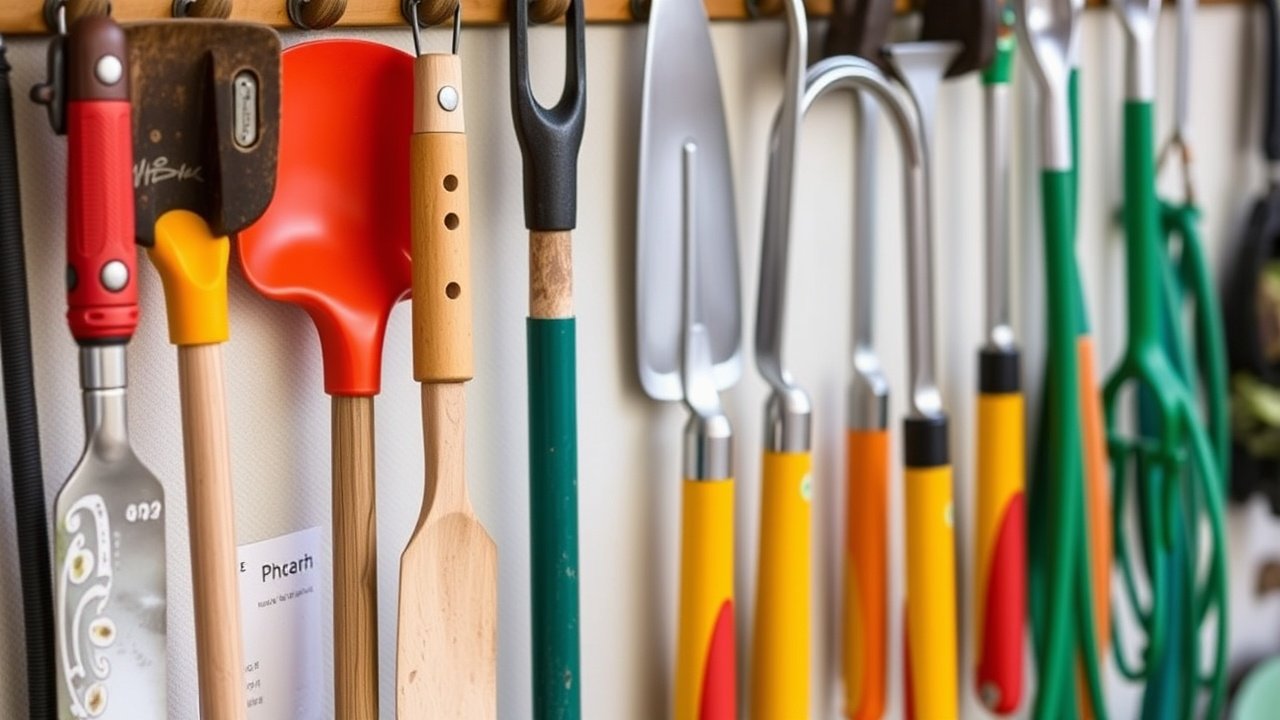
Cleaning and Oiling Your Tools
Regular cleaning and oiling are essential for maintaining your garden tools and extending their lifespan. After each use, remove soil, grass clippings, and debris from the blades of your tools. Use a wire brush to scrub away stubborn dirt. Apply a light coat of oil to the metal parts to prevent rust and corrosion. This is an essential landscaping chore.
Storage Tips for Tool Preservation
Proper storage is crucial for preserving your garden tools. Store tools in a dry, sheltered place to protect them from the elements. Hang tools on hooks or store them in a tool rack to prevent damage and keep them organized. Keep wooden handles oiled to prevent them from drying out and cracking. These basic gardening steps are needed for maintaining your tools.
Best Practices from Landscaping Professionals
Landscaping professionals follow several best practices to ensure their tools remain in top condition. They sharpen blades regularly to maintain cutting efficiency. They inspect tools for signs of wear and tear and make repairs promptly. They also invest in quality tools from reputable brands to ensure durability and performance. Maintenance tools can make projects easier.
The Importance of Right Tools
Investing in Essential Garden Tools
Investing in the right tools is the foundation of every successful landscaping and gardening project. The right equipment not only makes your work easier and more efficient but also helps you achieve precise, professional-quality results. From durable garden gloves and sharp pruning shears to sturdy spades and powerful lawn mowers — each tool plays a vital role in creating a beautiful, thriving outdoor space.
Partner with Experts for the Best Results
While having the right tools is crucial, expert guidance can elevate your landscape even further. At Destiny Landscape, we understand that every garden has its own story and potential. Our team of professionals provides personalized design and maintenance solutions — helping you bring your outdoor vision to life with creativity and precision.
Whether you’re enhancing your lawn, redesigning your garden beds, or maintaining lush greenery, Destiny Landscape is here to ensure your space flourishes beautifully, season after season.
- How to Cut Your Lawn Like a Pro with a Free Landscape Design App
- Is artificial grass worth it in drought areas
- 85 best landscaping ideas for a beautiful yard in 2026
- Garden Power Tools: Hedge Trimmers, Tillers, Leaf Blowers & Chainsaws Reviewed
- Fall Landscaping Checklist: Prepare Your Lawn and Garden for Winter