
Seventy percent. That is the stunning percentage of your landscape’s health that depends on what you do this fall. As veterans in the landscaping world, we view autumn as the linchpin between summer’s exuberance and winter’s quiet slumber. The choices you make during fall landscaping and winter landscaping profoundly influence the vitality of your outdoor spaces next spring. Forget merely tidying up; consider it an investment in your yard’s long term well being, aesthetic appeal and ability to bounce back.
I have prepared a straightforward guide on prepping your yard for the impending cold. I will walk you through everything required to fortify your plants, rejuvenate your lawn and safeguard your landscape, ensuring a triumphant return to vigorous growth once the warmer days arrive. This encompasses guidance on lawn care in fall, effective garden cleanup strategies and vital seasonal maintenance duties that often slip through the cracks. Let us dissect the all encompassing strategy I champion for triumphant fall and winter landscape management.
Fall transcends mere colorful foliage; it is the optimal juncture to orchestrate a breathtaking landscape spectacle for the approaching spring. The mild temperatures coupled with increased precipitation generate prime circumstances for landscape actions that amplify plant vigor and enhance yard presentation. Dedicating time and energy to fall landscaping ensures your beloved plants are primed for winter’s trials and emerge resiliently as the growing season dawns.
- Root Development: The soil’s coolness spurs root proliferation, empowering plants to anchor themselves firmly before the earth solidifies.
- Nutrient Absorption: Autumn fertilization equips plants with essential nutrients to stockpile over the winter season, bestowing a running start come springtime.
- Pest and Disease Control: Addressing pests and diseases now forestalls potential future infestations.
- Weed Prevention: Employing pre emergent herbicides in the fall thwarts winter weeds from germinating and stealing resources from your prized plants.
A verdant lawn forms the bedrock of any stunning landscape masterpiece. Therefore, prioritizing lawn care in fall is indispensable for its enduring survival and fortification. Let us delve into an exhaustive examination of the pivotal measures I advocate:
Soil Aeration: Helping Your Lawn Breathe

Aerating soil ranks among the most beneficial interventions you can bestow upon your lawn during autumn. Over the passage of time, soil undergoes compaction, particularly in locales subjected to heavy footfall or abundant clay content. Compacted soil obstructs the permeation of air, water and vital nutrients to the grass roots, thereby impeding growth and escalating susceptibility to disease.
Core aeration entails the extraction of minute soil plugs from your lawn, thereby engendering channels that facilitate the conveyance of indispensable elements to the root zone. This procedure mitigates soil compaction, enhances drainage capabilities and bolsters profound root augmentation. I have personally witnessed aeration transmute struggling lawns into thriving verdant expanses.
My typical methodology encompasses:
- Timing: Execute aeration when the soil exhibits dampness without saturation, generally in early to mid autumn.
- Equipment: Employ a core aerator that physically extracts soil plugs rather than a spike aerator that merely perforates holes.
- Pattern: Slightly overlap each trajectory to guarantee thorough aeration coverage.
- Follow-Up: Subsequent to aeration, contemplate overseeding and fertilization to further fortify lawn well being.
Overseeding: Making Your Lawn Thicker

Overseeding denotes the practice of sowing fresh grass seed atop an established lawn. This represents a superb tactic for augmenting grass density, infilling denuded patches and introducing more robust grass variants. Autumn stands as the quintessential period for overseeding given the favorable cool temperatures and moisture levels that expedite seed germination.
I generally endorse the ensuing optimal methodologies:
- Choose the Right Seed: Decide on a grass seed blend tailored to your particular climate, soil composition and sunlight exposure.
- Prepare the Soil: Manicure the lawn to a diminutive stature and rake the soil surface to fashion a receptive seedbed.
- Sow the Seed: Uniformly disseminate the seed utilizing a spreader, adhering scrupulously to the prescribed seeding rate.
- Water Regularly: Sustain consistent soil moisture until the nascent grass establishes itself.
Fall Lawn Fertilization: Feeding Your Lawn Before Dormancy

Fertilizing lawn before winter embodies a linchpin action in readying your turf for the dormant interlude. An autumn fertilizer treatment bestows pivotal nutrients that empower grass plants to reinforce their resilience and surmount winter stressors. It furthermore stimulates precocious spring green up and robust growth.
I advocate deploying a slow release fertilizer abundant in potassium, which bolsters the plant’s capacity to withstand cold temperatures and resist disease. Administer the fertilizer in late autumn, subsequent to the cessation of grass growth but prior to the ground solidifying.
What I often do:
- Choose the Right Fertilizer: Opt for a fertilizer expressly formulated for autumn application, characterized by an elevated potassium concentration.
- Apply Evenly: Employ a spreader to uniformly allocate the fertilizer, meticulously adhering to the indicated application dosage.
- Water In: Subsequent to fertilizer application, thoroughly irrigate the lawn to facilitate nutrient infiltration into the soil.
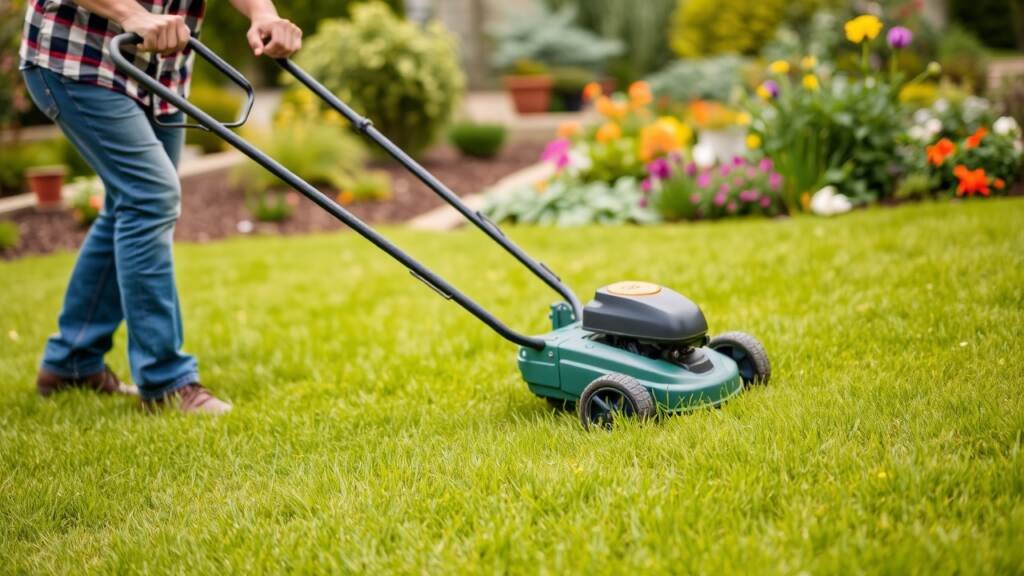
Mowing: The Last Cut

Sustain regular lawn mowing throughout autumn, incrementally diminishing the mowing height with each successive pass. The final mowing episode of the season ought to be shorter than usual, but exercise caution to preclude excessive truncation that could jeopardize the lawn’s well being. This proactive measure aids in averting snow mold proliferation and other winter maladies.
What I suggest:
- Lower the Height Gradually: Diminish the mowing height by approximately 1/3 with each iteration.
- Final Cut: The ultimate mowing height should approximate 1.5 to 2 inches.
- Remove Clippings: Eliminate grass clippings subsequent to each mowing to forestall thatch accumulation and disease inception.
Garden cleanup constitutes an indispensable facet of fall landscaping. Eradicating deceased and decaying plant matter aids in preempting the propagation of disease and pests while simultaneously enhancing the aesthetic allure of your garden. The following is a compendium to efficacious garden cleanup:
Removing Annuals and Vegetables
Subsequent to the senescence of annual flowers and vegetable plants, promptly expunge them from the garden bed. Deposit any diseased plant components into refuse receptacles to forestall pathogen dissemination. Conversely, sound plant matter can be relegated to composting operations.
My experiential insights dictate that it is most judicious to:
- Pull Out Plants: Tenderly extract the plants, exercising vigilance to avert disruption of adjacent perennials.
- Dispose of Properly: Consign diseased plants to refuse disposal and channel sound plant matter to composting processes.
- Clean Up Debris: Eradicate any lingering detritus encompassing abscised leaves, stems or extraneous matter.
Cutting Back Perennials
Numerous perennials derive benefit from autumnal curtailment. This entails the ablation of senescent or moribund foliage, thereby fostering enhanced airflow and curtailing the specter of disease. Nevertheless, certain perennials, notably those exhibiting captivating seed heads, may be deliberately preserved to impart winter visual intrigue and sustenance for avian fauna.
These constitute my conventional procedures:
- Identify Plants: Ascertain which perennials stand to gain from pruning interventions.
- Cut Back Foliage: Prune the foliage to a diminutive stature of a few inches above the substrate.
- Remove Debris: Clear away any fallen leaves or extraneous detritus encircling the plants.
Dealing with Fallen Leaves: To Rake or Not?

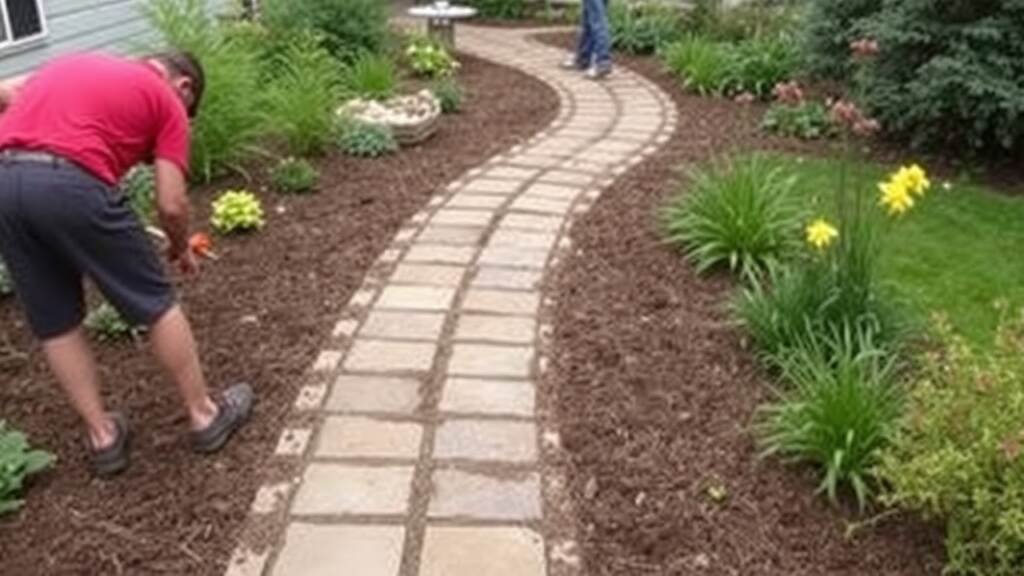
Abscised leaves embody a dualistic essence encompassing both utility and detriment. They furnish a natural mulch stratum that shields the soil and impedes weed proliferation. Conversely, dense aggregations of leaves can stifle grass and conceal harborage for pests and diseases.
I generally advocate:
- Raking: Rake leaves off the lawn expanses to forestall suffocation.
- Mulching: Pulverize leaves utilizing a lawnmower and deploy them as mulch encircling trees and shrubs.
- Composting: Compost surplus leaves to engender a valuable soil amendment.

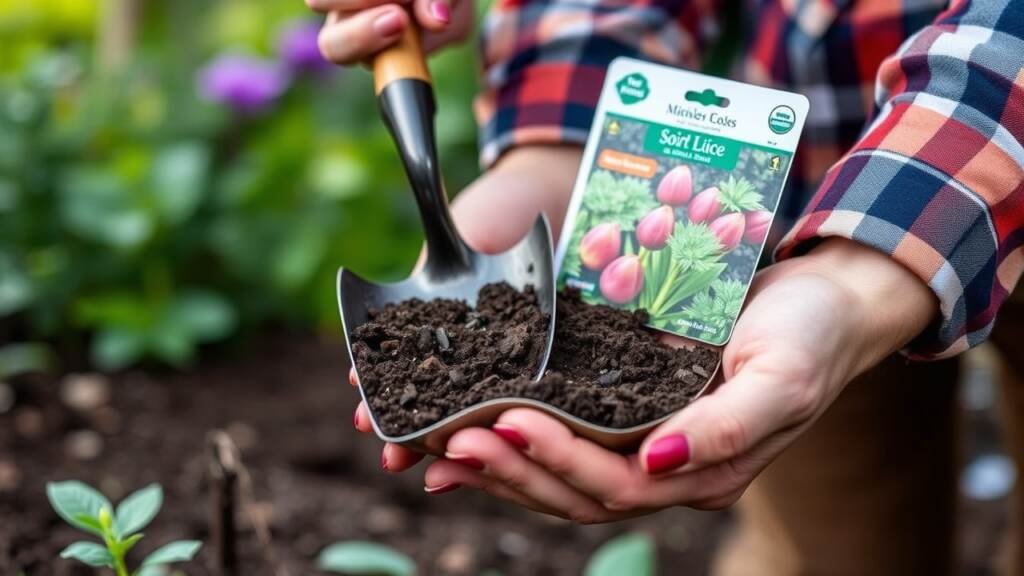
Planting bulbs in fall stands as one of the most gratifying seasonal maintenance endeavors. Installing spring blooming bulbs, encompassing tulips, daffodils and hyacinths, during autumn empowers them to establish root systems over the winter months, thereby assuring a resplendent chromatic display come springtime.
Here is how I approach it:
- Choose the Right Bulbs: Select bulb species commensurate with your prevailing climate and soil characteristics.
- Plant at the Correct Depth: Position bulbs at the depth stipulated on the packaging literature.
- Provide Good Drainage: Plant bulbs in soil matrices that exhibit commendable drainage attributes to preclude putrefaction.
- Water Thoroughly: Saturate the bulbs copiously subsequent to planting maneuvers.
Shielding your plants from frost damage assumes paramount significance for their continued survival throughout the winter season. Frost events can inflict harm or outright mortality upon plants, notably those not yet fully dormant. An array of methodologies exist to protecting plants from frost, contingent upon the specific plant species and the severity of the impending chill.
Mulching: Insulating the Roots

Mulching constitutes an exceedingly efficacious modality for safeguarding plants against frost impairment. A mulch stratum serves to insulate the soil, thereby mitigating abrupt freezing and thawing oscillations. This mechanism shields plant roots from precipitous temperature fluctuations.
What I often do:
- Apply a Thick Layer: Dispense a 2 to 4 inch stratum of mulch encircling the plant base.
- Use Organic Materials: Employ organic mulches encompassing straw, shredded leaves or wood chips.
- Avoid Covering the Crown: Refrain from enshrouding the plant crown with mulch as this can instigate putrefaction.
Wrapping: Sheltering from the Cold
Wrapping represents an alternative stratagem for insulating plants against frost insult. Wrapping engenders a protective buffer that insulates the plant and defends it against wind and cold penetration. This proves particularly efficacious for shrubs and trees.
These represent my proven strategies:
- Choose the Right Material: Employ burlap, horticultural fleece or other breathable fabrics for plant wrapping.
- Wrap Securely: Enshroud the plant securely, overlapping each layer to optimize protective efficacy.
- Remove in Spring: Extricate the wrapping during springtime, subsequent to the abatement of frost risks.
Using Frost Cloth: Lightweight Defense

Frost cloth embodies a lightweight textile employed to envelop plants and defend them against frost encroachment. It permits the transit of air and sunlight while concurrently affording insulation and wind shielding. This constitutes a sound option for shielding vegetables, flowers and miscellaneous plant life.
What I have gleaned across the years:
- Drape Over Plants: Draping the frost cloth over the plants, ensuring comprehensive coverage.
- Secure the Edges: Fasten the frost cloth edges with stakes or rocks to forestall dislodgement by wind.
- Remove During the Day: Extricate the frost cloth during daylight hours to facilitate sunlight exposure to the plants, contingent upon sustained subfreezing temperatures.
Trimming trees and shrubs during autumn proves consequential in readying them for the exigencies of winter. Ablating deceased, compromised or diseased branches forestalls their breakage under the aegis of snow and ice accumulation. It additionally promotes airflow and curtails disease vulnerabilities.
Removing Dead or Damaged Branches

Initiate proceedings by extirpating any deceased, compromised or diseased branches from trees and shrubs. These compromised branches exhibit heightened susceptibility to breakage during winter’s dominion and may furthermore incubate pests and diseases.
Here is my modus operandi:
- Use Sharp Tools: Employ sharpened pruning shears or a pruning saw to execute precise excisions.
- Cut at the Branch Collar: Sever branches proximate to the branch collar, representing the juncture where the branch converges with the trunk.
- Dispose of Properly: Consign diseased branches to refuse disposal to forestall pathogen proliferation.
Shaping Shrubs and Hedges

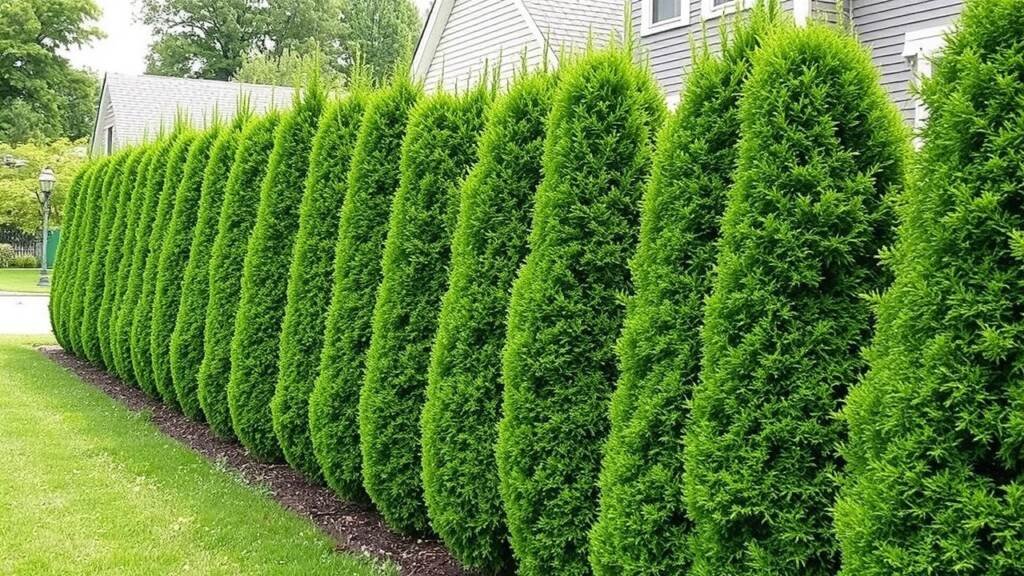
Autumn constitutes an opportune juncture to sculpt shrubs and hedges, but exercise prudence to avert drastic pruning that could incite nascent growth late in the season. This tender growth exhibits heightened vulnerability to frost induced impairment.
My experiential acumen has imparted:
- Prune Lightly: Execute light pruning to sustain the desired configuration and proportions.
- Avoid Heavy Pruning: Eschew substantial pruning interventions that could stimulate nascent growth.
- Clean Up Debris: Eradicate any abscised leaves or extraneous detritus encircling the plants.
Beyond the assignments delineated supra, supplementary seasonal maintenance tasks warrant execution during autumn to adequately equip your landscape for the impending winter season.
Cleaning Gutters and Downspouts

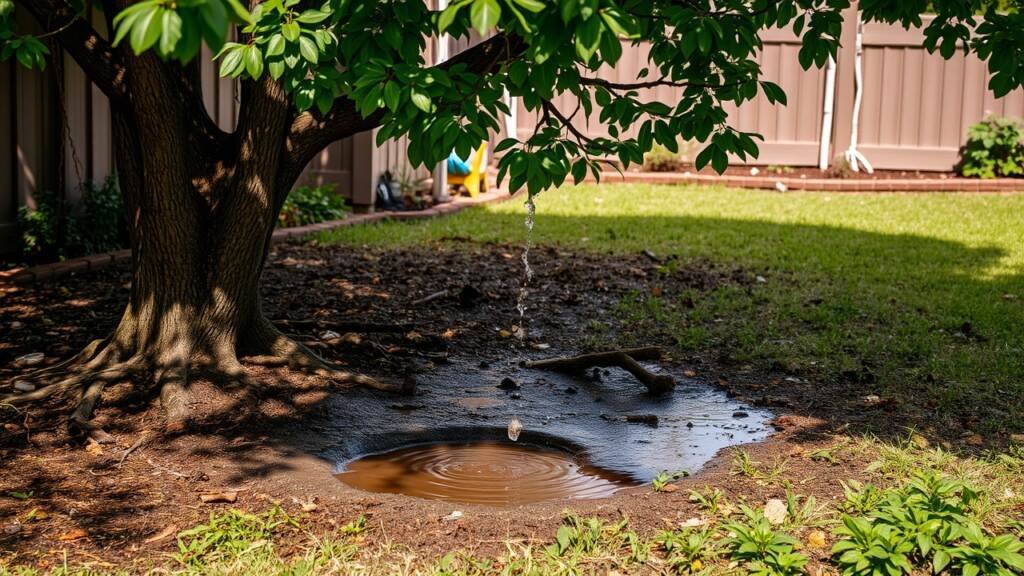
Purging gutters and downspouts assumes pivotal significance in preempting water induced impairment. Obstructed gutters precipitate water backup and overflow, culminating in roof leaks, foundation compromise and ancillary predicaments.
This is my blueprint:
- Remove Debris: Eradicate leaves, twigs and miscellaneous detritus.
- Flush with Water: Irrigate the gutters and downspouts to ascertain unobstructed flow dynamics.
- Repair Damage: Rectify any extant compromise.
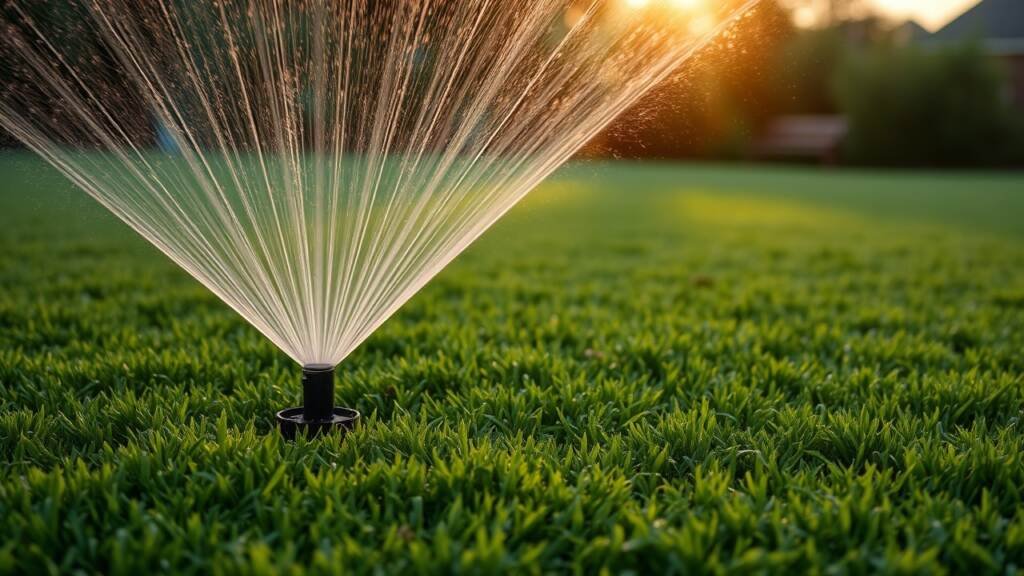
Winterizing Irrigation Systems

Winterizing your irrigation infrastructure proves consequential in averting freeze induced damage. Residual water within the pipes and sprinkler heads is susceptible to freezing and expansion, engendering fissures and ruptures.
These represent my procedural steps:
- Turn Off the Water: Deactivate the water supply mechanism.
- Drain the Pipes: Expel all water residing within the pipes and sprinkler heads.
- Insulate Exposed Pipes: Enshroud any exposed piping segments to insulate them against freezing conditions.
Storing Garden Tools and Equipment

Appropriate stowing of your garden implements augments their longevity and sustains their operational integrity. Purge and hone tools prior to depositing them in a desiccated storage locale.
My optimal methodologies:
- Clean Tools: Eradicate soil and extraneous detritus.
- Sharpen Blades: Hone the cutting edges of implements encompassing pruners and shovels.
- Store in a Dry Place: Deposit tools within a desiccated locale to forestall corrosion.
Despite possessing commendable intentions, it remains facile to commit oversights during autumn landscaping operations. I have borne witness to these recurrent predicaments ad nauseam. The ensuing represent prevalent quandaries and strategies for their circumvention:
- Skipping Soil Testing: Abstaining from soil assessment can precipitate inappropriate fertilization practices. Soil assays unveil nutrient imbalances, thereby enabling their rectification.
- Over-Fertilizing: Excessive fertilizer application can inflict detriment upon plants. Consistently adhere to the prescribed dosage guidelines.
- Improper Pruning: Executing pruning at inopportune junctures or employing erroneous techniques can inflict plant impairment. Thoroughly research your plant specimens prior to pruning endeavors.
- Ignoring Pest and Disease Issues: Neglecting pest and disease mitigation during autumn can engender more formidable complications come springtime.
Investing in scrupulous winter landscaping yields enduring dividends that transcend the confines of the present season. By adequately equipping your landscape for winter’s impositions, you lay the foundation for a more salubrious outdoor milieu in the offing. These benefits encompass:
- Improved Plant Health: Flora safeguarded against the elements exhibit a heightened propensity to flourish during the subsequent spring.
- Reduced Pest and Disease Problems: Proactive pest and disease management during autumn aids in forestalling their subsequent proliferation.
- Enhanced Curb Appeal: A meticulously maintained landscape amplifies the aesthetic magnetism and monetary worth of your domicile.
- Time Savings: Allocating time for autumn landscaping can obviate the expenditure of time and exertion during the subsequent spring.
As I draw this guide to a close, reflecting on fall landscaping and winter landscaping, remember that this season is a prelude, not a conclusion. By nurturing and tending to your landscape, you set the stage for a breathtaking spring spectacle. Encompassing lawn care in fall and exhaustive garden cleanup to pivotal seasonal maintenance, each action you undertake now compounds the visual allure and intrinsic fortitude of your outdoor environments in the times ahead. Therefore, procure your implements and embark on the creation of a landscape that will endure through winter’s dominion and beyond. I am confident that you will be delighted with the outcomes when spring graces us with its presence.