
Don’t let the cold weather stop you from composting! Even when temperatures drop, you can maintain an active compost system with a few adjustments. Winter composting can be a sustainable way to manage kitchen waste and yard debris. Destiny Landscape knows that a well-managed compost pile in winter not only reduces waste but also provides nutrient-rich material for your garden in the spring.
Why Winter Composting Requires a Different Approach
Successful winter composting hinges on understanding that the cold winter months present unique challenges. The rate of the decomposition process naturally slows. To maintain an active compost and keep your compost working through winter, gardeners need to adapt their strategies to these slower processes, ensuring that the pile remains suitable for microbial activity and eventual breakdown.
Slower decomposition
The primary hurdle to winter composting is the slow decomposition process. Cold temperatures significantly inhibit the activity of microbes, which are essential for breaking down organic matter. This slowdown means that the composting activity takes longer, and the finished compost won’t be available as quickly as during warmer months.
Temperature challenges
Temperature challenges are a critical aspect of winter composting; the microbes responsible for breaking down organic matter thrive within a specific temperature range. When temperatures drop, especially during freezing nights, these microbes become less active, slowing the entire decomposition process within the compost pile in winter.
Moisture control
Moisture control is another key consideration for winter composting. It’s crucial to prevent the compost pile from becoming either too dry or waterlogged. A challenge of winter composting is that drying can be a problem in windy areas, while excessive snow or rain can lead to waterlogged conditions, both of which hinder microbial activity and slow the decomposition process.
Tip #1: Insulate Your Compost Pile
To overcome the challenges of cold weather, insulation is key for maintaining an active compost pile. Insulating your compost pile helps retain the internal heat generated by the decomposition process, providing a more favorable environment for microbes. Insulation also makes composters compost faster, ensuring better results.
Using straw, leaves, or cardboard
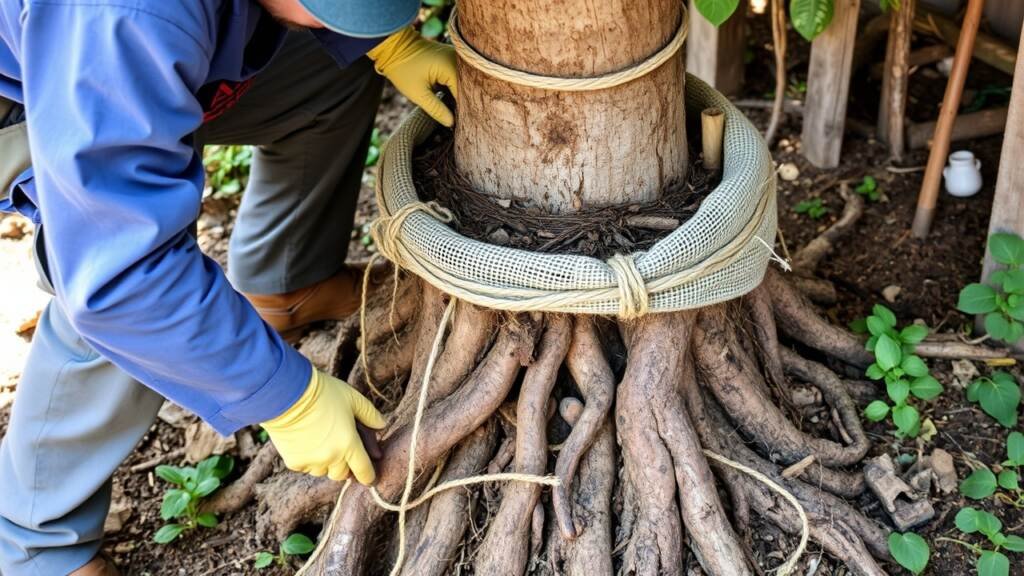
Effective insulation can be achieved by surrounding your compost pile with materials like straw bales, fall leaves, or cardboard. These materials act as a barrier, preventing heat from escaping and cold air from penetrating. Enclosing your compost bin with these insulators creates a warmer microclimate, encouraging microbial activity.
Retaining internal heat
The primary goal of insulation is retaining internal heat within the compost pile. As organic matter decomposes, it generates heat. By insulating the pile, you trap this warmth, creating a more stable and conducive environment for the microbes to thrive, even when temperatures drop significantly outside, thus keeping the composting activity active.
Tip #2: Chop Materials into Smaller Pieces
To counteract the slow decomposition process of winter composting, chopping materials into smaller pieces becomes essential. Smaller pieces offer a larger surface area for microbes to attack, which speeds up the breakdown of organic matter. This simple step can significantly enhance composting activity in cold conditions.
Faster breakdown
Chopping materials into smaller pieces facilitates faster breakdown within your compost pile. Smaller pieces decompose more rapidly, providing microbes with more accessible surfaces to colonize and break down. This accelerates the overall composting process, helping you achieve finished compost sooner.
Easier microbial activity
Smaller pieces provide easier microbial activity. Microbes break down organic material more efficiently when the surface area is increased. By shredding your kitchen scraps, dead leaves, and other compostable items, you enable microbes to access and decompose the materials more effectively, even when temperatures drop.
Tip #3: Balance Greens and Browns Carefully
Balancing “greens” (nitrogen-rich materials) and “browns” (carbon-rich materials) is crucial for an active compost and successful winter composting. Maintaining the right ratio ensures that your compost pile sustains microbial activity without becoming a smelly, anaerobic mess. Composting in winter is all about creating an optimal environment for decomposition, despite the cold weather.
Avoiding odors
One of the main benefits of balancing greens and browns carefully is avoiding odors. Too much nitrogen-rich material, like food scraps and coffee grounds, can lead to unpleasant smells. Balancing with enough brown material, such as fall leaves and shredded paper, will absorb excess moisture and maintain airflow, preventing the pile from becoming stinky.
Maintaining airflow
Maintaining airflow within the compost pile is essential for successful winter composting. A well-aerated pile allows microbes to thrive, which speeds up decomposition. Balancing your greens and browns prevents compaction, ensuring that oxygen can penetrate the pile. Regularly turning the pile also helps to maintain necessary activity.
Tip #4: Manage Moisture in Freezing Conditions
Managing moisture is extremely important in freezing conditions to keep your compost active and promote the decomposition process. Excessive moisture can lead to waterlogging. Cold weather can cause the compost pile to freeze. Careful management ensures that the microbial activity continues, providing you with finished compost in spring.
Preventing waterlogging
Preventing waterlogging is vital to keep your compost active during winter. A waterlogged compost pile lacks oxygen, which slows down decomposition and can lead to foul odors. Ensure proper drainage by locating your compost bin away from areas prone to flooding or snow accumulation. Also, turn your pile to keep it aerated.
Protecting from snow and rain
Protecting your compost pile from snow and rain is essential to prevent excessive moisture buildup. Cover the pile with a tarp or lid to keep it dry. Excessive moisture will slow the decomposition and can lead to anaerobic conditions, which are not conducive to active compost. Composting in winter requires careful moisture management.
Tip #5: Turn the Pile Less Frequently
Turning the compost pile is an important part of composting. Turning it less often will keep your compost active and help to retain heat. While aeration is important, excessive turning in winter can disrupt the internal temperature and slow the decomposition. Adjust your approach to suit the cold weather conditions.
Heat retention
Heat retention is a key benefit of turning the compost pile less frequently during winter. The decomposition process generates heat, which helps to keep the microbial activity going, even when temperatures drop. By reducing the frequency of turning, you allow the compost pile in winter to maintain a more stable and warmer internal environment.
Reducing disruption
Reducing disruption to the compost pile is another advantage of less frequent turning. Each time you turn the pile, you expose it to the cold winter air, which can slow down the decomposition process. Minimizing turning helps maintain a consistent temperature, allowing the microbes to work more efficiently to keep your compost active.
Tip #6: Choose the Right Compost Location
Selecting the right location for your compost pile is a critical, yet often overlooked, winter composting tip. The location of your compost pile can significantly affect its temperature and moisture levels, both of which are crucial for maintaining an active compost and ensuring successful winter composting. Positioning the compost pile strategically can offer protection from the harshest elements of cold weather.
Sun exposure
Maximize sun exposure by placing your compost bin in an area that receives direct sunlight, especially during the morning hours. The sun’s warmth can help to raise the internal temperature of the compost pile in winter, boosting microbial activity and preventing the pile from freezing solid. Even a little sun can make a big difference in keeping your compost active.
Wind protection
Shield your compost pile from strong winds by locating it near a fence, wall, or dense shrubbery. Wind can quickly strip away heat and moisture from the pile in winter, slowing the decomposition process. By providing a windbreak, you help to maintain a more stable and warmer environment, which is essential for keeping your compost active.
Tip #7: Adjust Expectations and Plan Ahead
One of the most important winter composting tips is to adjust your expectations and plan ahead. Keep in mind that composting in winter will naturally be a slow process due to colder temperatures, even with the best insulation. Understanding this will help you avoid frustration and allow you to make the most of winter composting.
Slower results
Be prepared for slower results when composting in winter. The decomposition process slows down significantly as temperatures drop, impacting microbial activity. This means that it will take longer for your food scraps, dead leaves, and other kitchen scraps to break down. Be patient and keep your compost active.
Spring-ready compost benefits
Despite the slower pace, the benefits of spring-ready compost are well worth the effort. By maintaining your compost pile throughout winter, you’ll have a valuable supply of nutrient-rich material ready to enrich your garden beds as soon as the weather warms up. This provides a head start on the growing season and improves soil health.
Common Winter Composting Mistakes to Avoid
Avoiding common mistakes is crucial for active compost and to ensure successful winter composting. These mistakes can hinder the decomposition process, leading to a pile that doesn’t break down properly or attracts unwanted pests. By being aware of these pitfalls, you can ensure that your composting efforts are effective, even in cold weather.
Overturning
Avoid overturning your compost pile too frequently during winter. Excessive turning can disrupt the internal temperature and moisture levels, slowing the decomposition process. While aeration is important, it’s best to turn the pile only when necessary to maintain a balance of heat and moisture. Overturning will cause the compost pile in winter to lose heat.
Adding unsuitable materials
Be cautious about adding unsuitable materials to your compost pile. Avoid adding meat, dairy products, oily foods, and diseased plant matter, as these can attract pests and create unpleasant odors. Stick to composting “greens” such as kitchen scraps and coffee grounds, and “browns” like dead leaves and shredded paper to keep your compost active.
Letting piles freeze solid
Prevent your compost pile from freezing solid by taking steps to insulate it properly. A frozen pile will halt microbial activity, stopping the decomposition process altogether. Use insulation materials like straw bales or fall leaves to maintain a warmer internal environment and keep your compost active.